••
African Leaders Demand Urgent Climate Action and Innovative Financing to Bridge $100 Billion Agricultural Gap
•3 min read•2 sources
African leaders and climate negotiators are intensifying calls for immediate global action and structural financial reforms as the continent grapples with the dual threats of climate change and food insecurity. Following the conclusion of the UNFCCC Subsidiary Bodies session in Bonn, Germany, the African Group of Negotiators on Climate Change (AGN) has voiced strong concerns over the slow pace of climate ambition. AGN Chair Nana Dr. Antwi-Boasiako Amoah emphasized that Africa’s vulnerable population of 1.6 billion cannot afford to wait for the next Global Stocktake in 2028. The group is demanding that developed nations fulfill their financial commitments, specifically the tripling of adaptation finance, to restore trust and ensure a just transition that prioritizes poverty eradication and sustainable development.
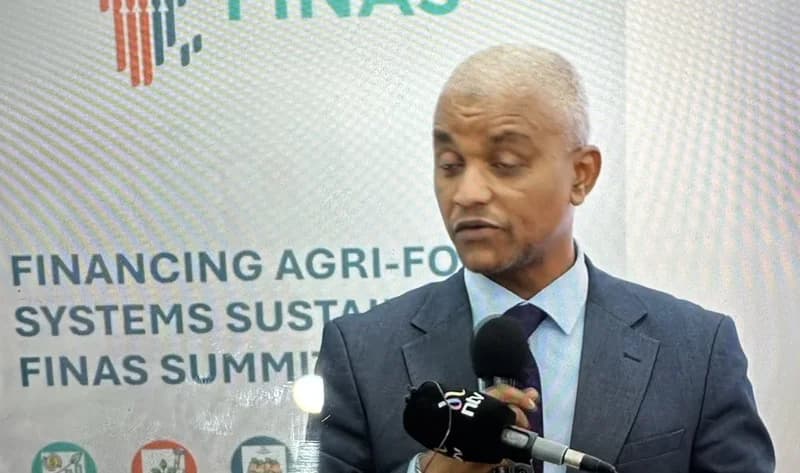
Simultaneously, the focus is shifting toward the agricultural sector, which remains the backbone of the continent’s economy but is increasingly under siege from climate-related disruptions. Despite contributing up to 30% of Africa's GDP and employing over 60% of the workforce, agriculture currently receives less than 5% of formal bank lending. To address this disparity, over 1,000 stakeholders are set to convene in Nairobi for the Financing Agri-Business Systems Sustainably (FINAS) 2026 summit. The summit aims to tackle an annual financing gap exceeding $100 billion by developing a more sustainable financial architecture for Africa’s food systems, which are largely driven by smallholder farmers, women, and youth who produce 80% of the continent’s food.
Key experts highlight that addressing these challenges requires a shift toward innovative, climate-smart financing models. Samuel Yeboah, Chief Operating Officer of the Ghana Incentive-Based Risk-Sharing System for Agricultural Lending (GIRSAL), has underscored the need for digital lending and insurance-backed credit mechanisms to mitigate climate risks for smallholder farmers. These sentiments are echoed by Dr. Sophia Baumert of GIZ and Kenyan agricultural officials, who view the upcoming Nairobi summit as a critical platform for fostering partnerships and blended finance solutions that can yield measurable outcomes in resilience.
As Africa looks ahead to COP31 in Antalya, the collective message from both climate negotiators and agricultural stakeholders is one of urgency and self-reliance. The AGN has made it clear that adaptation is Africa’s primary climate priority and that the continent should no longer be sidelined in global discussions. By integrating urgent climate advocacy with concrete financial innovations in the agricultural sector, African leaders hope to secure a future where the continent's food systems are robust enough to withstand the escalating climate crisis while driving economic growth.