••
Minister Armah-Kofi Buah Commissions Upgraded Seismic Network as Ghana Enhances National Disaster Monitoring
•2 min read•4 sources
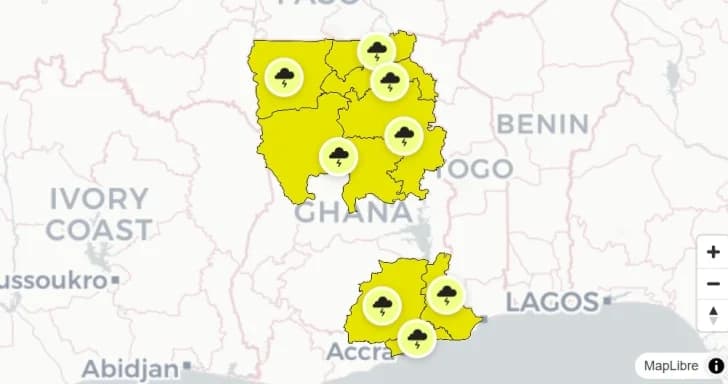
Ghana has significantly bolstered its disaster detection and response framework following the launch of an upgraded National Seismic Monitoring Network and the issuance of critical weather alerts. On June 16, 2026, the Minister for Lands and Natural Resources, Emmanuel Armah-Kofi Buah, officially commissioned the enhanced network under the auspices of the Ghana Geological Survey Authority (GGSA). This milestone initiative introduces cutting-edge technology for real-time seismic data transmission across the country, marking a pivotal shift in how Ghana identifies and manages earthquake risks. The upgrade involved the modernization of equipment at 20 of the nation's 21 seismic stations, ensuring a continuous stream of real-time data to central monitoring hubs. Minister Buah emphasized that the enhancement was necessitated by the proximity of critical national infrastructure to active fault systems. Dr. Prosper Akaba, the Director-General of the GGSA, noted that this technological leap allows for more accurate hazard assessments and faster response times. To complement these technical improvements, the government has announced stringent policy interventions, including mandatory seismic assessments for all new building permits and rigorous enforcement of the Ghana Building Code to safeguard lives and property from potential tremors. Alongside these seismic advancements, the Ghana Meteorological Agency (GMet) continues to play a vital role in national safety through its real-time weather surveillance. In a recent urgent bulletin, GMet issued a thunderstorm alert for coastal and northern regions, warning of heavy rains and gusty winds. Using data from southeastern and northeastern borders, the agency predicted that rain-bearing clouds would sweep across the Volta, Greater Accra, and Eastern regions before moving toward the Upper East and Northeast. Residents were classified as facing moderate weather severity and were urged to avoid outdoor activities and seek updates via official channels. These combined efforts by the GGSA and GMet underscore a comprehensive national strategy to mitigate the impact of natural disasters. By integrating sophisticated earthquake monitoring with proactive meteorological warnings, the Ghanaian government aims to create a more resilient environment for both urban development and rural safety. Moving forward, the focus remains on the strict application of building regulations and the continuous improvement of data-driven early warning systems to ensure the public is well-protected against the unpredictable forces of nature.