••
Bank of Ghana Assets Surge to GH¢321.4 Billion Amid Persistent Foreign Exchange Market Volatility
•2 min read•5 sources
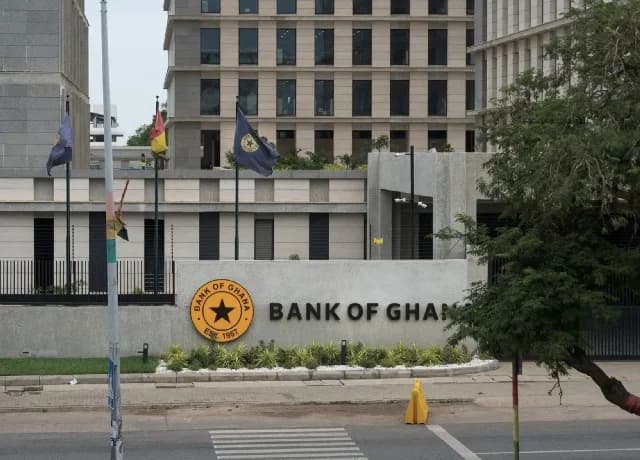
The Bank of Ghana (BoG) has reported a significant expansion of its balance sheet, with total assets rising to GH¢321.38 billion as of March 2026. This represents a 3.5% increase from the GH¢310.58 billion recorded in February and a 2.6% year-on-year growth from March 2025. The expansion was primarily driven by a sharp rise in foreign assets, which grew by nearly 17% to reach GH¢128.0 billion. A substantial portion of this growth is attributed to holdings in foreign securities, which increased to GH¢81.56 billion, alongside expanding gold reserves. These developments suggest a more resilient balance sheet, enhancing the central bank's capacity to manage liquidity and absorb external economic shocks.
Despite these improvements in the central bank's financial position, the Ghanaian cedi continues to experience significant pressure and volatility in the foreign exchange market. As of mid-June 2026, a persistent gap of over 10% remains between official interbank rates and informal market valuations. While the Bank of Ghana’s official interbank selling rate stood at approximately GH¢11.18 to the US dollar, rates at commercial forex bureaus and the informal market were considerably higher. On June 19, 2026, forex bureaus quoted selling rates as high as GH¢12.25 to GH¢12.50, reflecting ongoing demand for foreign currency that continues to outpace official supply.
In the broader banking sector, there is a renewed focus on regulatory compliance and local economic resilience. In the Bono East Region, Minister Francis Owusu Antwi recently commended Yapra Community Bank for successfully meeting the Bank of Ghana’s minimum capital requirements. During the bank's 32nd Annual General Meeting, the Minister urged management to improve loan monitoring to ensure sustainable business growth and encouraged local residents to trust formal banking services for safer savings. This milestone for the community bank highlights the importance of local financial stability as the country navigates broader macroeconomic challenges.
As Ghana moves through the second half of 2026, the central bank is expected to continue utilizing its strengthened foreign asset position and new payment directives to stabilize the currency. While the growth in gold reserves and foreign security investments provides a buffer, the high 'street' exchange rate remains a key concern for businesses and consumers alike. The successful capitalization of community banks like Yapra suggests that while the macro-economy faces currency hurdles, the underlying financial infrastructure is becoming increasingly robust through stricter regulatory adherence and improved internal management.
Live rates
Ghana gold price →
