••
Minister Eric Opoku Seeks GH¢1.5bn to Address Food Glut and Strengthen National Reserves
•3 min read•7 sources
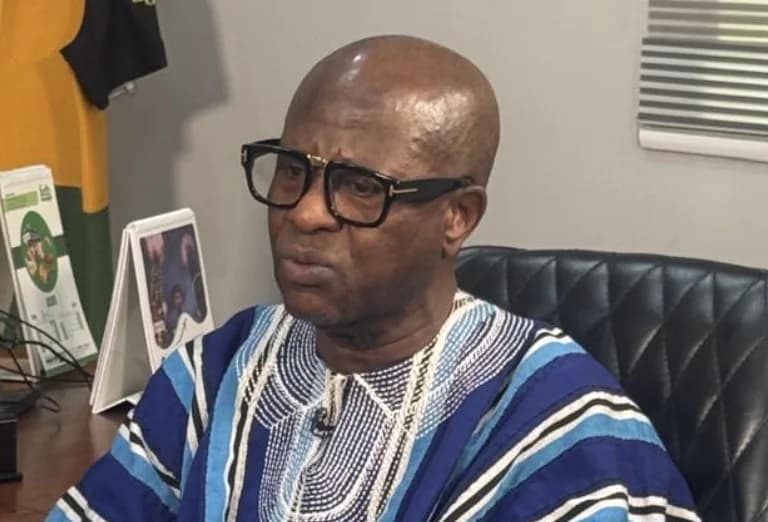
The Minister for Food and Agriculture, Eric Opoku, has revealed that Ghana requires approximately GH¢1.5 billion to effectively manage a deepening food glut and the associated storage crisis. While the government initially allocated GH¢100 million to purchase excess produce, this figure was later bolstered by an additional GH¢200 million, bringing the total to GH¢300 million. Despite this increase, the Minister emphasized that the current funding remains insufficient to address the scale of the surplus. The government is now focused on enhancing storage infrastructure nationwide and evaluating existing facilities from previous administrations to better support farmers and prevent post-harvest losses.
Supporting this strategic shift, George Abradu-Otoo, CEO of the National Food Buffer Stock Company (NAFCO), noted that Ghana has historically trailed neighboring countries like Mali in establishing robust national food reserves. The current initiative to build a formal reserve system marks a significant policy change aimed at stabilizing prices and ensuring long-term food security. Although the GH¢300 million received for grain purchases is significantly less than the required GH¢1.5 billion, officials view the current efforts as a critical first step toward a more resilient agricultural economy.
Addressing recent reports of friction within the government, Minister Opoku dismissed claims of a rift with the Ministry of Finance regarding the disbursement of over GH¢1.6 billion in agricultural funds. He clarified that any perceived disagreement was the result of a communication gap and a misunderstanding of official documents rather than a substantive policy dispute. The Finance Ministry confirmed the release of the funds for this year's agricultural support, and both ministries have reaffirmed their alignment on national development goals. Opoku criticized sensationalized media reports, urging a focus on institutional collaboration to drive the sector forward.
Beyond storage and funding, the Ministry is intensifying efforts to modernize specific sub-sectors and promote agro-processing. During a visit to P&A African Food International Ltd, Opoku advocated for a transition from primary production to full value-chain development. This approach is intended to absorb surplus crops, reduce waste, and create sustainable employment for the youth. Concurrently, the government is ramping up local tomato production through the distribution of subsidized hybrid seeds and the promotion of dry-season farming with improved irrigation. These interventions, supported by agricultural directors like George Batse, aim to reduce Ghana's dependence on imports and stabilize market prices.
The broader strategy for Ghana’s agricultural sector involves a move toward self-sufficiency and industrialization. By bridging the funding gap and investing in both storage and processing, the government aims to transform the current food glut from a logistical crisis into an opportunity for economic growth. The success of these initiatives will depend on continued investment in infrastructure and the successful implementation of irrigation projects to mitigate the challenges faced by local farmers during the dry season.
