••
FAO and Global Partners Champion Holistic Strategy to Meet Africa’s Rising Food Demand by 2050
•3 min read•4 sources
The Food and Agriculture Organization (FAO) has issued a critical call for Africa to transform its agricultural landscape, warning that the world must increase food production by 50% to sustain a projected global population of nearly 10 billion by 2050. To meet this demand, Dr. Chikelu Mba of the FAO emphasized that 9 billion tonnes of food will be required annually. This necessitates a shift toward more resilient and sustainable cropping systems across the continent. Central to this transformation is the integration of "opportunity crops"—underutilized native species that offer both nutritional value and climate resilience. In Ghana, this initiative is already gaining traction, with the Ministry of Food and Agriculture highlighting specific projects aimed at enhancing the value of traditional grains like fonio to empower local farmers and secure food systems.
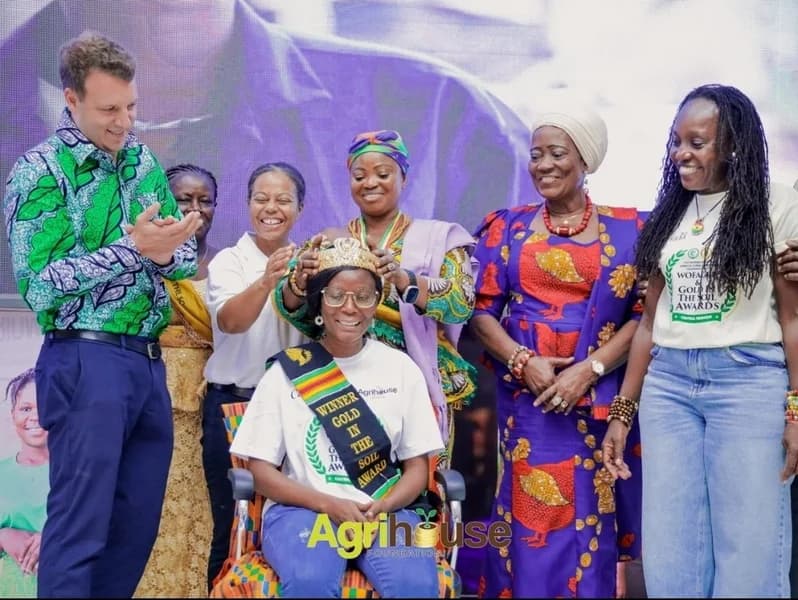
While diversification is essential for production, international partnerships are playing a pivotal role in strengthening the human element of the agricultural value chain. For the past eight years, Global Affairs Canada has partnered with the Agrihouse Foundation to support the Women in Food and Agricultural Leadership Training Forum and Expo (WOFAGRIC) and the Gold in the Soil Awards. This collaborative effort has empowered over 12,000 rural women farmers in Ghana, providing them with essential training, mentorship, and a platform for visibility. The program has been particularly lauded for its inclusivity, offering women with disabilities the opportunity to showcase their agricultural contributions and take on leadership roles within their communities.
Beyond production and empowerment, experts are identifying financial literacy as the "missing pillar" of the United Nations’ Sustainable Development Goal 2 (Zero Hunger). Despite significant global investments in agricultural resources, many smallholder farmers in Africa struggle to sustain their enterprises due to a lack of farm financial management skills. Proponents of this view, including agricultural specialist Kelvin Essuman Quansah, argue that the success of a farm is not determined solely by the quality of seeds or soil, but by the farmer's ability to effectively manage capital and credit. They are calling on policymakers and NGOs to embed financial training as a core component of agricultural development projects to ensure long-term sustainability.
As Ghana prepares for upcoming agricultural milestones, including the WOFAGRIC events in the Savannah Region, the focus remains on a multifaceted approach to food security. By combining the promotion of climate-resilient crops with the economic empowerment of women and the implementation of robust financial management practices, stakeholders aim to create a modern agricultural sector capable of meeting future demand. This integrated strategy highlights that achieving Zero Hunger will require not only more food but also smarter, more inclusive, and financially sound agricultural systems across the African continent.
Live rates
Ghana gold price →