••
Ghana’s Political Evolution: The Rise of Independent Grassroots Movements Amidst Internal Party Reforms and Regional Shifts
•3 min read•23 sources
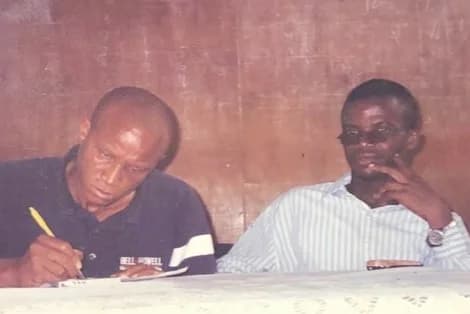
Ghana’s political arena is undergoing a period of significant introspection and restructuring as both major parties and independent figures prepare for future electoral cycles. Kwame Asare Obeng, popularly known as A-Plus and MP for Gomoa Central, has emerged as a vocal critic of the organizational weaknesses within the New Patriotic Party (NPP) and the National Democratic Congress (NDC). He asserts that well-structured independent candidates can outperform the traditional powerhouses by focusing on meticulous planning and strong grassroots networks. A-Plus, who has publicly endorsed President John Mahama based on personal conviction rather than party affiliation, remains confident in his own political future, famously stating that only divine intervention could challenge his hold on Gomoa Central while reflecting on his journey toward a more measured public persona.
Meanwhile, the NPP is actively refining its internal mechanisms to bolster unity and transparency. The party recently revised its internal election guidelines to address irregularities and disputes, particularly at the polling station level, including the potential suspension of polls in disputed areas and the introduction of e-voting options. In the race for the National Chairmanship, Boakye Kyeremateng Agyarko has signaled a shift toward grassroots mobilization by appointing Henry Quartey and Joseph Osei-Owusu to his campaign team. Conversely, the party has taken steps to discipline its communication channels, recently barring unauthorized spokespeople from representing the party in the media. This drive for internal cohesion comes amidst criticism from observers and the opposition, such as Dr. Mary Awusi, who has challenged the economic record and leadership of Vice President Dr. Mahamudu Bawumia.
The National Democratic Congress, led by Chairman Johnson Asiedu Nketiah, is focusing its narrative on fiscal responsibility and development continuity. During a recent tour of the Ashanti Region, Nketiah emphasized the party's commitment to completing all state-initiated projects to prevent the wastage of taxpayers' money, regardless of which administration began them. This pledge for continuity is met with sharp critiques from NPP National Communications Director Richard Ahiagbah, who accused Mahama of failing to provide a clear roadmap for his proposed "24-hour economy" policy and deceiving voters with past promises. Amidst these partisan debates, calls for greater transparency in governance are growing louder, with Ho West MP Emmanuel Kwasi Bedzrah advocating for public access to officials’ asset declarations to foster trust and accountability.
On the international front, Ghana continues to play a pivotal role in regional stability and democratic oversight. Former President Nana Addo Dankwa Akufo-Addo is currently leading the ECOWAS Election Observation Mission in Benin, where the country prepares for a crucial presidential election to succeed Patrice Talon. Finance Minister Romuald Wadagni is positioned as the leading candidate, running on a platform of economic growth despite rising security concerns from jihadist violence in the north. Further afield, the global democratic pulse is felt in India, where millions are participating in state elections that serve as a vital test for Prime Minister Narendra Modi’s BJP. These domestic and international developments highlight a broader trend of voters demanding more transparent, organized, and accountable leadership across the globe.
Related topic
NDC (National Democratic Congress): Latest News →

