••
Legal and Political Storms: Ofori-Atta’s US Release, OSP Jurisdictional Row, and EOCO’s Fugitive Manhunt
•3 min read•17 sources
Ghana’s political and legal landscape is currently dominated by a series of high-profile cases involving accountability, constitutional authority, and allegations of financial misconduct. At the center of the storm is former Finance Minister Ken Ofori-Atta, who was released from U.S. Immigration and Customs Enforcement (ICE) custody on April 7, 2026, following a judicial order. While his legal team, led by Justice Kusi-Minkah Premo, expressed gratitude for his release, U.S. authorities have seized his passport as a condition of his bail. Ofori-Atta is scheduled for a deportation hearing on April 27, 2026, even as he remains a subject of investigation by Ghana’s Office of the Special Prosecutor (OSP) regarding corruption allegations during his tenure.
The former minister's situation has ignited a fierce partisan debate in Ghana. National Democratic Congress (NDC) communicators, including Gabriella Tetteh and Hamza Suhuyini, have demanded that the New Patriotic Party (NPP) facilitate Ofori-Atta’s return to face trial, arguing that public officials must account for their management of state funds. Conversely, NPP communicators such as Pius Enam Hadzide and Richard Ahiagba have defended the process, suggesting that the state can proceed with a trial in absentia if necessary, while accusing the NDC of selective outrage. Legal practitioners like Martin Kpebu have emphasized that constitutional requirements for accountability must override procedural delays, while Amanda Clinton has cautioned that the U.S. immigration and Ghanaian extradition processes, though linked, remain distinct legal tracks.
Simultaneously, a significant constitutional showdown has emerged between the Attorney General (AG) and the Office of the Special Prosecutor. The Deputy Attorney General has filed a proposal at the Supreme Court seeking to declare portions of the OSP Act unconstitutional. The AG argues that Article 88 of the 1992 Constitution vests exclusive prosecutorial power in the Attorney General, and that the OSP’s independent prosecutions since 2018 lack valid constitutional authorization. If the Supreme Court rules in favor of the AG, it could stall numerous corruption cases currently led by the OSP and fundamentally alter the independence of the office, raising concerns about potential political interference in the prosecution of politically exposed persons.
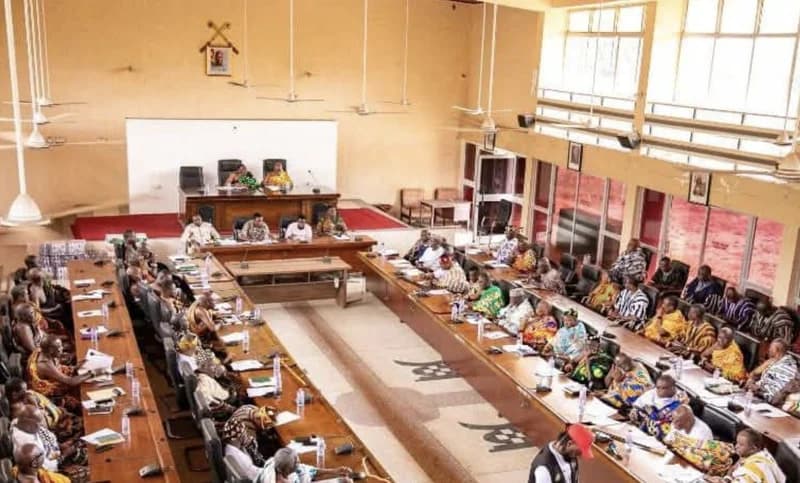
In a separate but equally contentious matter, the Economic and Organised Crime Office (EOCO) has declared Dr. Gabriel Tanko Kwamigah-Atokple, a Council of State member for the Volta Region, a fugitive. EOCO alleges that Kwamigah-Atokple has evaded cooperation since November 2025 regarding investigations into gold fraud involving his company, SESI-EDEM Ltd. The move has met stiff resistance from the Volta Regional House of Chiefs, led by Togbe Tepre Hodo IV, who condemned EOCO for allegedly disregarding a High Court ruling that deemed their previous actions against the representative unlawful. As EOCO maintains that no individual is above the law and continues its manhunt, the friction between traditional authorities and investigative bodies highlights the growing tension within Ghana’s justice and governance systems.
Related topic
NDC (National Democratic Congress): Latest News →Live rates
Ghana gold price →

