••
President Mahama Faces Pressure for Electoral Commission Appointments and Constitutional Roadmap Amid High-Profile Resignations
•3 min read•19 sources
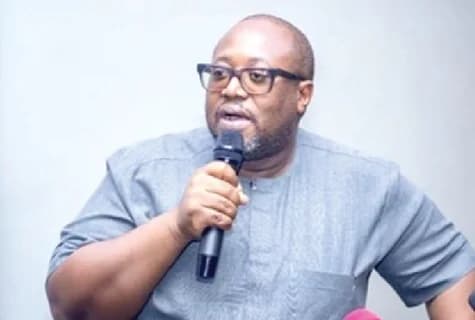
Ghana’s political landscape is navigating a period of significant institutional transition following the resignations of key officials from the Electoral Commission (EC) and the Council of State. The government has been forced to defend the integrity of these departures, particularly that of Dr. Bossman Asare, the Deputy Chairperson of the EC, who cited a return to academia. Felix Kwakye Ofosu, Minister of State for Government Communications, has repeatedly refuted allegations of political interference, asserting that Dr. Asare’s exit was voluntary and compliant with constitutional protocols. These changes come at a sensitive time, as the retirement of Samuel Tettey and the departure of former Chief Justice Sophia Akuffo from the Council of State have prompted civil society groups like Election Watch Ghana to demand the appointment of “transformational leaders” to restore public confidence in the nation's electoral machinery.
Simultaneously, internal friction within the major political parties has surfaced, raising questions about organizational unity ahead of future polls. The New Patriotic Party (NPP) faces localized unrest, with executives in the Bibiani-Anhwiaso-Bekwai constituency petitioning for the annulment of internal elections due to alleged irregularities and voter disenfranchisement. Meanwhile, the National Democratic Congress (NDC) has faced scrutiny over the conspicuous absence of high-ranking figures, including President John Mahama and Vice President Jane Naana Opoku-Agyemang, during its 34th-anniversary celebrations. Observers have speculated that these absences may signal internal power shifts or a focus on broader strategic realignment as the party manages the complexities of governance.
The Minority Caucus in Parliament, led by Alexander Afenyo-Markin, has seized on these developments to accuse the NDC administration of losing control over national governance. The caucus argues that internal conflicts among government appointees are distracting from urgent economic challenges, including rising unemployment and inflation. In the midst of this criticism, the Citizens’ Platform on Constitutional Reform—a coalition of over 90 organizations—is intensifying pressure on the Presidency to publish a clear roadmap for the review of the 1992 Constitution. They emphasize that a transparent implementation framework is essential to ensure that critical reforms are finalized before the next electoral cycle begins.
As the government prepares to fill vacancies at the EC and address constitutional demands, the broader political discourse remains focused on accountability and reform. While the Convention People’s Party (CPP) attempts to rejuvenate itself through a 'position amnesty' for new members, the primary focus remains on the executive's ability to maintain institutional stability. The coming months will be pivotal as the Council of State and the President navigate the legal requirements for new appointments, which will ultimately shape the credibility of Ghana's democratic institutions and the efficiency of local governance initiatives like those highlighted in the recent Asante Akim Central Municipal Assembly town hall meetings.
Related topic
NDC (National Democratic Congress): Latest News →

