••
Political Leadership and Local Development Take Center Stage Across Ghana During Festive Season
•3 min read•17 sources
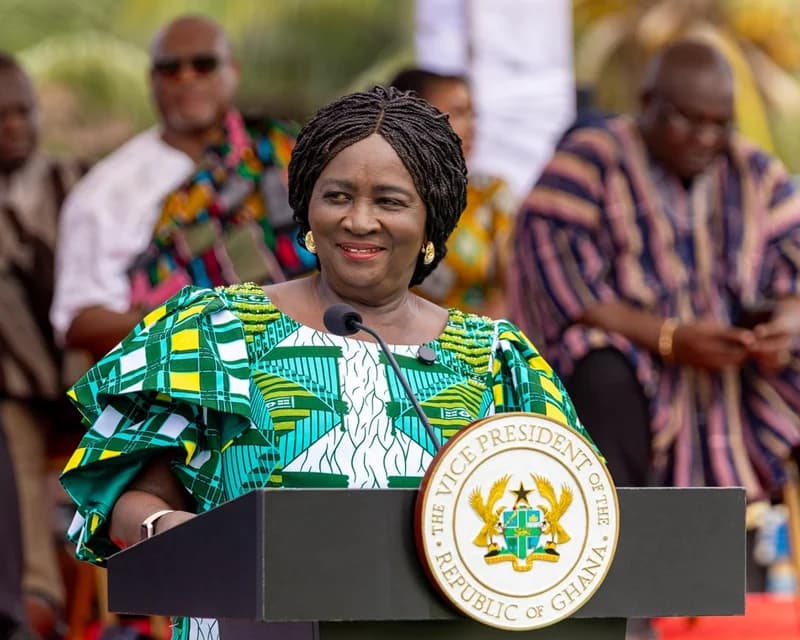
Ghana’s political landscape during the recent Easter season was marked by a strategic blend of religious observance, cultural celebration, and policy advocacy. Vice President Prof. Naana Jane Opoku-Agyemang led high-level engagements in the Volta Region, focusing on economic empowerment and infrastructure development. Central to her mission was the progress of the Women’s Development Bank, an initiative designed to provide low-interest credit and technical support to female entrepreneurs. During visits to the Anlo State and the Tortsogbeza Festival in Sokpoe, the Vice President emphasized a meticulous, governance-driven rollout of the bank to ensure its long-term stability. Her efforts were met with local acclaim, culminating in her being honored with the traditional title "Mama Tortsogbe I" in recognition of her public service.
Within the New Patriotic Party (NPP), the race for internal leadership intensified as Boakye Kyerematen Agyarko spiritually launched his campaign for the National Chairmanship. Attending an Easter service at the Grace Congregation of the Presbyterian Church in Accra, Agyarko received endorsements for his potential to unify and restructure the party ahead of the 2028 general elections. Rev. Dr. Seth Kissi called for "Godly leadership" and selflessness, values echoed by the Minister for Local Government, Chieftaincy and Religious Affairs, Ahmed Ibrahim, who urged Ghanaians to translate Easter’s themes of renewal into national development. Meanwhile, in Ketu North, MP Edem Agbana reinforced this community spirit by donating essential equipment and supporting local projects throughout the festive period.
Local governance and tourism also saw significant movement, particularly with the inaugural Gomoa Easter Carnival. Member of Parliament Kwame Asare Obeng announced ambitious plans to construct a waterfall in Gomoa Central by next year to establish the area as a major tourism hub. However, cultural experts and historians, including Yaw Anokye Frimpong, cautioned that the sustainability of such festivals depends on transitioning from political management to traditional and private sector oversight. This call for institutionalization was mirrored in the Guan District, where MP Fred Kwasi Agbenyo and traditional leaders used the Lekoryi Festival to rally support for water infrastructure and eco-tourism, highlighting the critical role of festivals in driving regional economic growth.
The period was also a time for historical reflection and legal advocacy. In Obomeng, dignitaries including former President John Dramani Mahama gathered to honor the late Dr. Edward Omane Boamah, naming an Artificial Intelligence training facility in his honor. This legacy-focused event coincided with the surfacing of historical artifacts, such as a 1953 TIME magazine cover featuring Dr. Kwame Nkrumah and rare photos of J.J. Rawlings. On the legal front, the government faced calls from CUTS International for urgent competition laws to protect consumers from rising sachet water prices. Simultaneously, a more controversial appeal emerged from supporters of social media personality Abu Trica, who staged a solidarity walk against his extradition to the U.S. on fraud charges, reflecting the complex intersection of law, public sentiment, and governance currently facing the nation.
Related topic
NPP (New Patriotic Party): Latest News →

