••
Sekondi-Takoradi NADMO Completes Final Assessment of 88 Hazardous Buildings Slated for Demolition
•2 min read•1 source
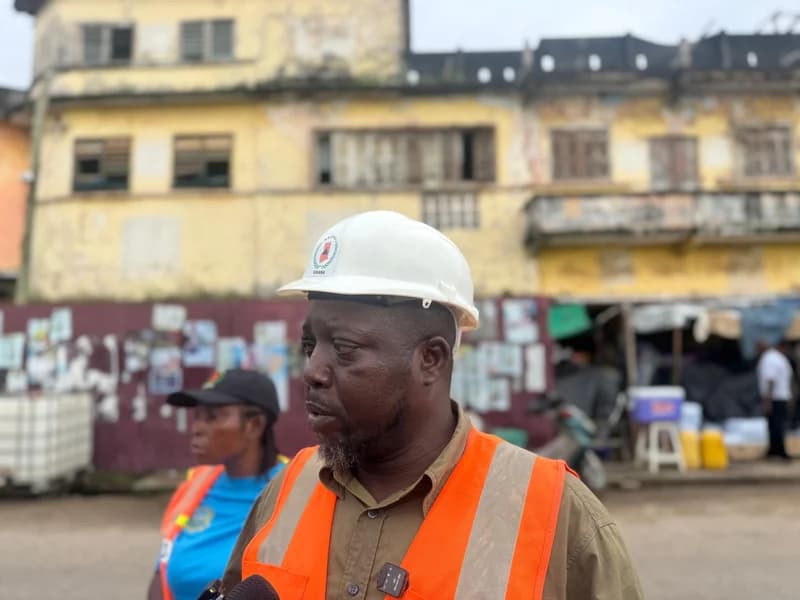
The Sekondi-Takoradi Metropolitan Directorate of the National Disaster Management Organisation (NADMO) has concluded a comprehensive final assessment of 88 dilapidated buildings within the metropolis. These structures, comprising both residential and commercial properties, have been earmarked for either major renovation or total demolition due to severe structural failures that pose a significant threat to public safety. The assessment marks a critical step in the assembly's efforts to prevent building collapses and protect lives and property in the region.
This rigorous evaluation was conducted through a collaborative effort involving the Metro Works Department, the Environmental Protection Agency (EPA), and the Ghana National Fire Service (GNFS). The inter-agency team identified various degrees of structural decay, including deep-seated cracks, rotting supports, and other vulnerabilities that compromise the integrity of the buildings. According to NADMO officials, the technical findings from this exercise will form the basis for immediate enforcement actions to mitigate potential disasters.
Alhaji Kamal Abubakar, the NADMO Metropolitan Director, emphasized that the exercise was strictly a safety intervention rather than a punitive measure. He noted that while official notices have already been served to the affected property owners, the directorate has encountered resistance from some individuals who are reluctant to comply with the safety directives. Abubakar urged all stakeholders and property owners to cooperate with the authorities, stressing that the risks posed by these weak structures outweigh the costs of renovation or relocation.
Looking ahead, the Metropolitan Directorate plans to implement the expert recommendations derived from the assessment without delay. For structures deemed beyond repair, total demolition will be supervised to ensure the process does not endanger neighboring residents. This initiative is part of a broader urban safety strategy in Sekondi-Takoradi aimed at enforcing building regulations and ensuring that the city's infrastructure meets modern safety standards, particularly during the rainy season when the risk of structural failure often increases.
Related topic
Ghana Fire Service Recruitment: Latest News Today →
