••
Autism Awareness Care and Training Centre Calls on Government to Establish Community-Based Support Units
•3 min read•1 source
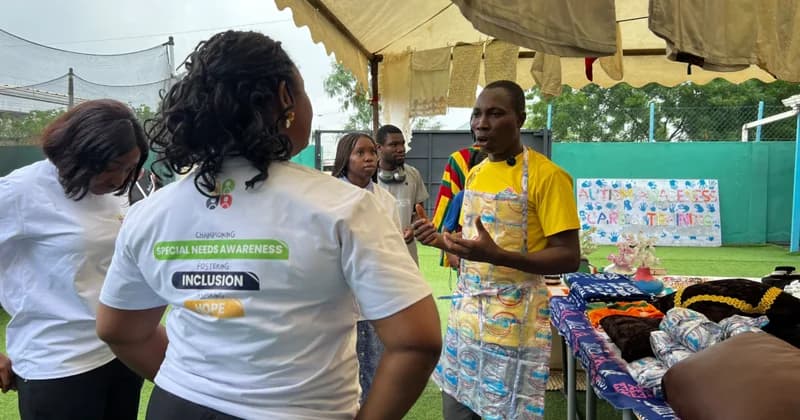
The Autism Awareness Care and Training Centre (AACT) has issued a passionate appeal to the Ghanaian government to decentralize autism services by establishing dedicated units within local communities. Speaking at the Centre’s annual arts and crafts exhibition, Mr. Abeiku Grant, a veteran advocate with 19 years of experience, emphasized that the current scarcity of specialized facilities places an immense physical and financial burden on families. He argued that bringing support services closer to home is essential for ensuring that individuals on the autism spectrum receive consistent care without the added stress of long-distance travel, which is particularly prevalent for those living in rural areas.
The call for community-based intervention highlights a significant gap in Ghana's healthcare and social support infrastructure. Mr. Grant pointed out that many families are forced to travel great distances to access the few available centers, which often leads to inconsistent therapy or the complete withdrawal from support systems due to exhaustion and cost. Beyond clinical care, he stressed the importance of social exposure, noting that autistic children thrive when they are integrated into their communities rather than isolated. By establishing local units, the government could provide a platform for early diagnosis, continuous training, and much-needed respite for caregivers who often manage the complexities of autism with limited institutional assistance.
Echoing these sentiments, the Centre’s Coordinator, Mr. Joseph Larmie, urged the public and policymakers to shift their perception of autism from a limitation to a different form of potential. He referenced historically successful figures as evidence that individuals on the spectrum can make profound contributions to society when provided with the right tools and an inclusive environment. The exhibition itself served as a tangible testament to this potential, showcasing the creative talents and crafts of the 22 learners currently enrolled at the Centre. Mr. Larmie advocated for targeted government interventions that go beyond awareness, calling for concrete resources that empower families and foster a society where every child can flourish regardless of their neurological profile.
Having operated for 28 years, the Autism Awareness Care and Training Centre continues to lead the charge in advocacy and skills development through its workshops and training programs. However, as the demand for services grows, the advocates maintain that non-governmental organizations cannot bridge the gap alone. As President John Mahama’s administration continues to shape its healthcare agenda, the establishment of state-supported community units remains a critical priority for advocates. Such a move would represent a landmark step toward a more equitable healthcare system, ensuring that the rights and dignity of individuals with autism are upheld in every corner of the country.
This story touches markets covered on Anansi Intelligence ↗.
Related topic
John Mahama: Latest News & Updates →More from health
Continue exploring similar stories


