••
Samuel Okudzeto Ablakwa announces Cabinet approval for BRICS bid
•2 min read•4 sources
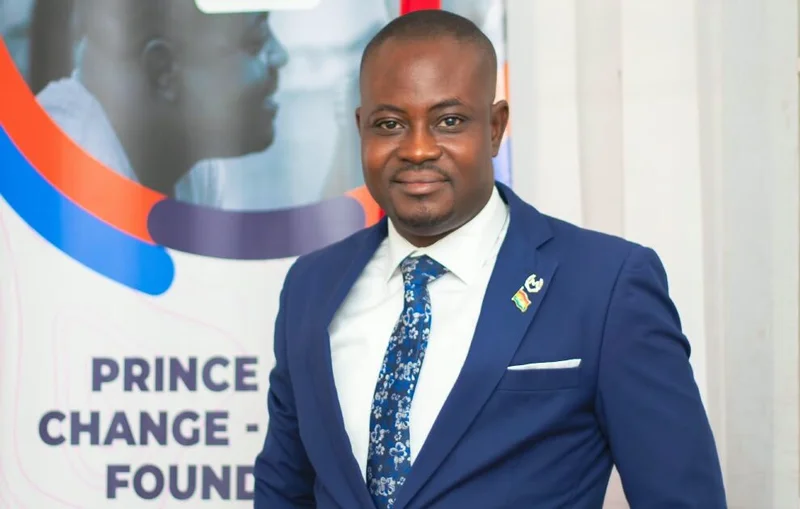
The Cabinet of Ghana has officially approved an application for the country to join BRICS as a partner country, a move intended to diversify foreign policy and expand development options. Foreign Affairs Minister Samuel Okudzeto Ablakwa announced the decision during a diplomatic visit by India’s External Affairs Minister. He clarified that the government is seeking "partner country" status, a specific tier that allows participation in summits and collaboration without the full voting rights of a member state.
According to Minister Ablakwa, this application is part of a broader strategy for foreign-policy diversification and strategic autonomy. He emphasized that the bid does not represent a pivot away from traditional Western partners, stating that Ghana intends to maintain its existing relationships with the International Monetary Fund (IMF), the World Bank, and other Western financial institutions. The goal is to enhance Ghana’s diplomatic options, allowing it to balance relationships between emerging economies and established global powers while pursuing economic transformation through industrialization.
However, the proposal has drawn calls for careful strategic analysis from international relations experts. Analyst Prince Anuwar-Sadat Amadu urged the government to prioritize national interests, cautioning that BRICS participation should not be viewed as an automatic solution to economic challenges. He highlighted the need for transparency and parliamentary oversight to ensure any commitments made align with constitutional obligations. Similarly, Colonel Festus Aboagye noted that while the move could strengthen Ghana’s agency on the global stage, the government must manage the risks of new dependencies and potential geopolitical tensions.
The bid for BRICS partnership is being framed as a modern application of Ghana’s long-standing policy of non-alignment, reminiscent of the approach taken by the nation’s first president, Kwame Nkrumah. While Cabinet approval has been secured, observers noted that a formal application had yet to be submitted as of early October 2026. The success of the initiative will ultimately depend on Ghana's preparedness and its ability to negotiate tangible benefits, such as investment and technology transfer, to support its long-term development goals.
