••
Samuel Okudzeto Ablakwa to institutionalise mobile passport centres
•2 min read•1 source
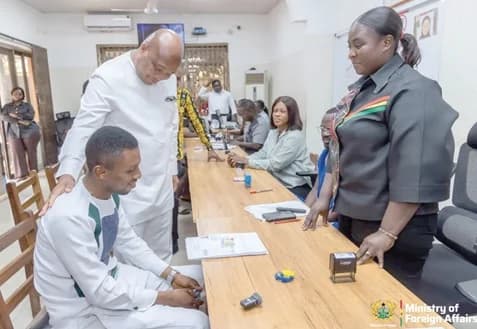
Foreign Affairs Minister Samuel Okudzeto Ablakwa has announced plans to institutionalise the Mobile Passport Application Centre (MoPAC) concept to significantly enhance passport service delivery across the country. The initiative, which was previously operated as a periodic intervention, will now become a permanent service aimed at bringing passport application facilities directly to various communities and institutions. This move is part of the ministry's broader strategy to decentralise services and reduce the burden on existing regional passport offices.
According to the Minister, the institutionalisation process will involve strengthening the operational capacity of the ministry through improved logistics and staff welfare. To this end, the government has initiated the acquisition of new vehicles and modern equipment to facilitate the mobility and efficiency of the centres. Ablakwa also revealed that as part of the expansion of passport infrastructure, a second passport application centre will be established in the Ashanti Region by early 2027 to cater to the high volume of applicants in that enclave.
A key component of this new permanent service is the commitment to a rapid turnaround time. The Ministry of Foreign Affairs has set a delivery goal of 15 working days for all new passport applications processed through the mobile centres. Minister Ablakwa emphasised that high customer service standards would be maintained, with specific protocols developed to ensure that elderly applicants and other vulnerable groups receive priority attention and a seamless experience during the application process.
To ensure the sustainability of the programme, Parliament is expected to discuss and approve a formal fee structure for the MoPAC services. The minister noted that the permanent rollout of mobile centres reflects the Mahama administration's commitment to modernising public institutions and making government services more accessible to every Ghanaian. By creating a structured and permanent framework for mobile applications, the ministry aims to eliminate systemic delays and provide a more convenient alternative for citizens in underserved areas.
