••
Absa and MTN Ghana warn of rising social engineering fraud
•2 min read•3 sources
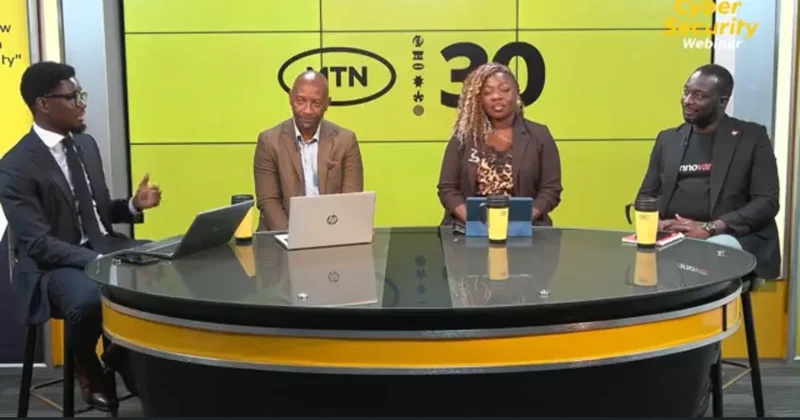
Experts from Absa Bank Ghana and MTN Ghana have issued a stern warning to individuals and businesses regarding the escalating threat of social engineering fraud. During recent industry forums, cybersecurity professionals emphasized that criminals are shifting their focus away from attacking robust banking systems, instead targeting the "human element" to gain unauthorized access to financial accounts. This trend exploits the trust and behavior of customers, making personal vigilance the most critical line of defense in the current digital landscape.
Nana Addo Ampem-Darko, a fraud detection expert at Absa Bank Ghana, revealed that fraudsters frequently manipulate victims into disclosing sensitive login credentials under the pretense of protecting their accounts. He highlighted a specific instance where a customer was nearly defrauded of over GH₵700,000 after being tricked into sharing confidential information. Ampem-Darko noted that as technical security measures become more sophisticated, criminals find it easier to deceive individuals than to breach the encrypted infrastructure of financial institutions.
The risk is further compounded by the deep integration of mobile money and traditional bank accounts over the last 15 years. Moses Tetteh, Senior Manager for Financial Crimes, speaking at the 14th Absa-UPSA Law School Quarterly Banking Roundtable, explained that a single security breach in the digital ecosystem can trigger a domino effect. Once a fraudster gains access to one platform, they can often exploit linked accounts to deplete funds or even take out loans in the victim’s name. This interconnectivity, while convenient for commerce, requires a collaborative security approach between service providers and their clients.
Small and medium-sized enterprises (SMEs) are particularly vulnerable to these digital threats. Jacqueline Hanson-Kotei, Senior Manager of Enterprise Information Security at MTN Ghana, urged business owners to adopt a "trust but verify" mindset. Speaking during an SME Accelerate Programme webinar, she recommended that businesses appoint dedicated cybersecurity overseers and develop robust incident recovery plans. By budgeting for security measures and scrutinizing every request for sensitive data, SMEs can better protect their operations from phishing and other cyber-attacks that could otherwise lead to business failure.

