••
Ghana Advances Economic Modernization Through Aviation Accolades, Port Expansions, and 24-Hour Market Infrastructure
•3 min read•5 sources
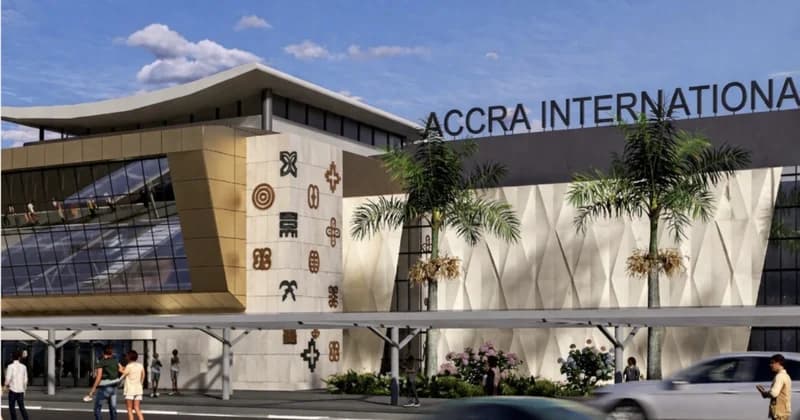
Ghana’s business and infrastructure landscape is undergoing a significant transformation, highlighted by international recognition for the aviation sector and aggressive expansions in regional trade hubs. The Ghana Airports Company Limited (GACL) recently achieved a major milestone at the 8th Airports Council International (ACI) World Airport Experience Summit in Istanbul, Turkey. Accra International Airport (AIA) was honored with the "Best Airport at Departures – Africa" award in the two to five million passengers category and received Level 1 Customer Experience Accreditation. GACL Managing Director, Mrs. Yvonne Nana Afriyie Opare, attributed this success to a human-centered operational approach and the collaborative efforts of all airport stakeholders, urging staff to maintain these high international standards to bolster Ghana's position as a regional aviation leader.
Simultaneously, the government is intensifying efforts to modernize land and sea trade infrastructure. Transport Minister Joseph Bukari Nikpe recently visited the Meridian Port Services (MPS) Terminal at Tema Port to address critical container congestion. While Terminal 3 has significantly boosted capacity, the Minister noted that supporting infrastructure has not kept pace with rising cargo volumes. To resolve these bottlenecks, the government has outlined plans for new berths, improved harbor routes, and road upgrades. These measures are designed to streamline cargo movement and ensure that Ghana remains a competitive player in maritime trade, facilitating more efficient imports and exports.
In the Bono East Region, the Techiman 24-hour economy model market project is nearing completion, with Regional Minister Francis Owusu Antwi reporting high satisfaction with construction quality during a recent site inspection. As one of West Africa’s largest commercial hubs, the upgraded Techiman market will feature round-the-clock facilities, including banking, cold storage, and enhanced security. Part of the government’s "Big Push Agenda," this project aims to decongest existing facilities, create jobs, and foster continuous trade. The modernization of such markets is a core component of a national strategy to establish vibrant, 24-hour commercial hubs in districts across the country, with the Techiman project expected to be fully operational within six months.
Furthering the modernization agenda, urban centers are preparing for digital reforms to improve the business environment and city aesthetics. The Kumasi Metropolitan Assembly (KMA), under the leadership of Mayor Richard Ofori Boadi Agyemang, has announced a transition from traditional static billboards to digital advertising boards beginning in 2027. This initiative will introduce stricter regulations on billboard size and placement while removing aging or unauthorized structures. Collectively, these developments in aviation, maritime logistics, regional trade hubs, and urban advertising reflect a broader national commitment to upgrading infrastructure to meet modern economic demands and attract increased investment.