••
Accra metal trunk sellers report losses as SHS students prefer suitcases
•2 min read•1 source
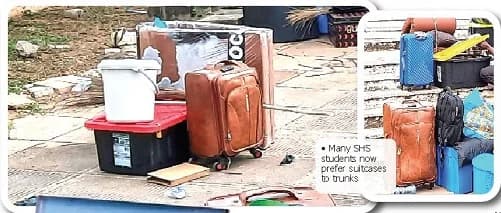
Traders in Accra markets are experiencing a significant downturn in business as senior high school (SHS) students increasingly abandon traditional metal trunks in favor of modern suitcases. The shift, which marks a departure from decades of Ghanaian boarding school tradition, is being attributed to changing consumer tastes and specific requirements listed in school prospectuses. Veteran sellers report that the decline is placing a severe financial strain on local manufacturers and small-scale retailers who have long depended on the back-to-school season for their primary income.
Mr. Victor Amankwa, a veteran trader in the capital, highlighted the severity of the situation, noting that he has sold only 20 trunks this year, a sharp drop from the 50 or more he typically averages during the admission period. This sentiment is echoed across various markets, where sellers argue that school authorities are inadvertently undermining the local industry. Many school prospectuses now explicitly list suitcases as a requirement, and some institutions have begun selling these supplies directly on campus, further bypassing traditional market vendors.
Beyond aesthetics, practical concerns are also driving the change. There is an increasing preference for plastic chop boxes over traditional wooden or metal versions, largely due to concerns over bedbug infestations, which are easier to manage with plastic surfaces. While suitcase sellers are enjoying a temporary boost in sales, the trend is devastating the local manufacturing hub in areas such as Bukom, where artisans specialize in hand-crafting metal trunks. These manufacturers are now calling for a review of school policies to ensure that affordable, durable local options are not phased out by more expensive imports.
The economic impact is further complicated by the overall rising cost of school supplies. While suitcases are often seen as more stylish, traders maintain that metal trunks remain a more durable and cost-effective investment for parents, especially those with multiple children who can reuse the items. As the academic year progresses, local artisans and sellers are urging the government and school heads to reconsider prospectus guidelines to support indigenous industries and provide relief to families struggling with the high cost of educational preparation.