••
Africa in Focus: Navigating Economic Headwinds, Restoring Heritage, and Pursuing Structural Reforms
•3 min read•7 sources
Africa is currently navigating a complex landscape of economic deceleration and humanitarian urgency, even as nations take bold steps toward cultural restitution and tourism growth. The International Monetary Fund (IMF) has projected Africa’s economic growth to slow to 4.2% in 2026, a deceleration attributed by Gambian Finance Minister Seedy Keita to global pressures including the Middle East conflict and high debt levels. In response, Bank of Ghana Governor Johnson Pandit Asiama has led calls for the IMF to accelerate debt relief and modernize its crisis response tools, criticizing current processes as too rigid for the continent's pressing needs and calling for more effective debt restructuring mechanisms.
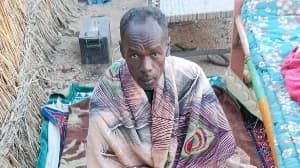
Amidst these macro-economic concerns, the human cost of regional conflict remains stark. Journalist Mohamed Suleiman recently shared a harrowing account of surviving the civil war in Sudan, detailing the brutal siege of el-Fasher by the Rapid Support Forces (RSF) and the subsequent communication blackouts that isolated survivors from the world. Suleiman’s testimony of escaping systematic killings and famine highlights a desperate need for increased international attention and documentation of atrocities to ensure future accountability, even as he notes a sense of disconnection from a world that has largely ignored the suffering in Sudan.
Significant strides toward historical justice are being made in the Southern region through the return of stolen heritage. In a symbolic ceremony in Cape Town, South Africa returned eight sets of remains and a centuries-old soapstone Zimbabwe bird carving to Zimbabwe. These items, taken during the colonial era as "scientific specimens," were repatriated to provide closure to a painful history of exploitation. Officials from both nations hailed the restitution as a vital step in reclaiming national identity and rectifying colonial-era wrongs, with the remains set for a respectful reburial in Zimbabwe.
To counter economic headwinds, nations like Ghana are aggressively marketing their tourism potential to boost regional revenue. At WTM Africa 2026, Ghana Tourism Authority Deputy CEO Gilbert Aggrey emphasized the country's strategic push to become a primary hub for Meetings, Incentives, Conferences, and Exhibitions (MICE). However, structural challenges persist in other sectors; Super Eagles goalkeeper Stanley Nwabali recently pointed out that poor domestic league conditions and financial insecurity in West Africa continue to drive a talent exodus to Europe. This call for sports reform mirrors the ongoing legal battle at the Court of Arbitration for Sport (CAS), where Morocco is presenting new evidence against Senegal regarding the 2025 AFCON final, raising broader questions about officiating integrity and sports governance across the continent.
These diverse developments reflect an Africa in transition—one that is simultaneously managing legacy issues of debt and colonialism while building new frameworks for economic diversification and regional cooperation. The path forward will require a balance of international financial support, internal structural reforms in sectors like sports and tourism, and a continued commitment to documenting and resolving humanitarian and historical grievances.
