••
African experts convene in Dakar to boost aquaculture development
•2 min read•1 source
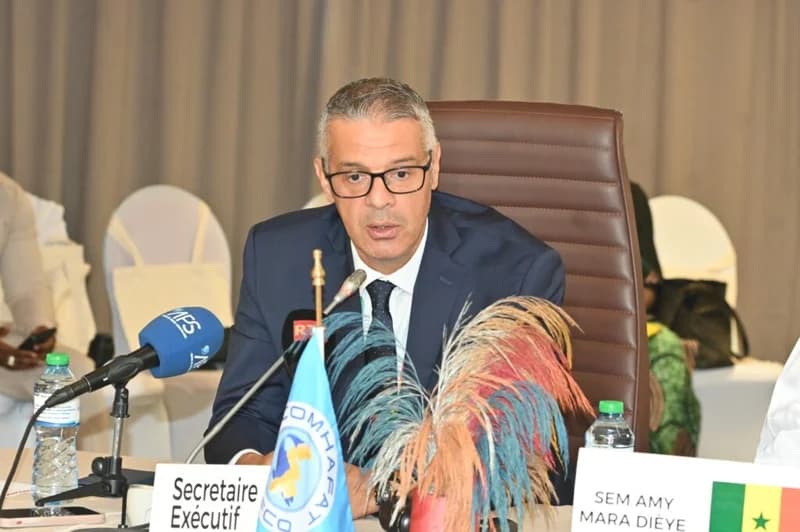
Experts and representatives from 22 African member states gathered in Dakar, Senegal, for a high-level conference on the transformative potential of aquaculture. Held from October 7 to 8, 2026, the meeting focused on how fish farming can drive inclusive economic growth and create sustainable employment across the continent. The event highlighted aquaculture as a critical solution to Africa's pressing food security challenges and socio-economic hurdles, positioning the sector as a priority for regional development. The conference was organized through the collaborative efforts of the African Network of Aquaculture Professionals (RAFAQUA) and the African Network of Fisheries Research Institutes (RAFISMER), operating under the Ministerial Conference on Fisheries Cooperation among African States bordering the Atlantic Ocean (ATLAFCO). A primary objective of the gathering was to foster stronger coordination between policymakers, academic research institutions, and the private sector. Participants emphasized that creating these synergies is essential for modernizing the industry and ensuring that research findings translate into practical, scalable solutions for fish farmers. Key speakers at the Dakar meeting underscored the urgent need for a strategic transition toward intensive and sustainable fish farming. With Africa's population growing and wild fish stocks facing pressure, the delegates argued that aquaculture offers a viable path to securing protein sources while stimulating regional trade. Beyond food production, the discussions centered on the sector's ability to provide jobs for youth and women, thereby contributing to the broader developmental goals of the participating nations. As the two-day session concluded, the 22 member states committed to implementing frameworks that support technological innovation and environmental stewardship in aquaculture. The consensus reached in Senegal serves as a roadmap for future regional cooperation, aiming to turn the continent’s vast aquatic resources into a cornerstone of its industrial and economic landscape. The outcomes of this meeting are expected to influence national policy directions across the Atlantic-facing African states in the coming years.
