••
Health Minister Akandoh Issues Stern Warning Against Illegal Charges in Free Primary Healthcare Program
•2 min read•2 sources
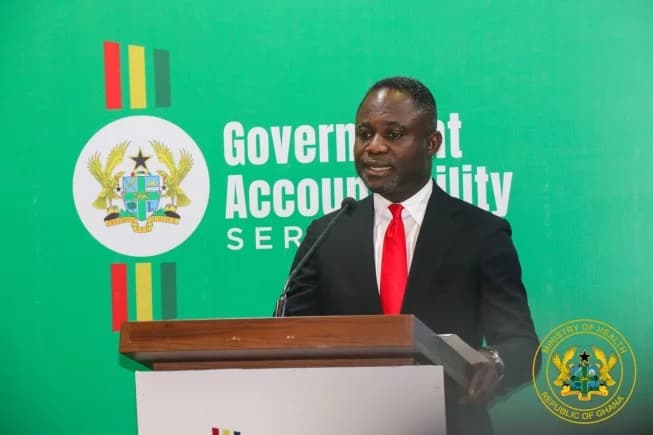
Minister for Health Kwabena Mintah Akandoh has issued a decisive warning to health workers across the country, stating that any professional found demanding payment for services under the government’s Free Primary Healthcare (FPHC) initiative will face investigation and severe sanctions. Addressing the media at a press conference, the Minister emphasized that the program is designed to be entirely cost-free at the point of service for all Ghanaians. He underscored that "no Ghanaian should pay" for the care included in the FPHC package, reinforcing the government's commitment to removing financial barriers to basic medical services.
The FPHC program is currently operational in 135 out of a targeted 150 districts, with plans to achieve full national coverage by the end of the year. A significant feature of this initiative is that it allows citizens to access healthcare services—specifically those covering common illnesses and preventive care—without the requirement of a National Health Insurance Scheme (NHIS) card. This approach is intended to streamline access for the most vulnerable populations who may not yet be enrolled in the national insurance scheme or whose memberships have lapsed, ensuring that basic health needs do not go unmet due to administrative or financial hurdles.
To ensure compliance and protect patients from exploitation, the Ministry of Health is establishing a dedicated reporting mechanism. Minister Akandoh urged the public to be proactive in reporting any instances where health workers demand "informal charges" or illegal payments for services that are legally free. He reassured the public that every complaint would be thoroughly investigated to maintain the integrity of the healthcare system. The Minister’s call to action aims to curb corruption at the facility level and ensure that the government's investment in primary healthcare directly benefits the intended recipients.
Clarifying the scope of the initiative, the Health Minister explained that the Free Primary Healthcare program is intended to complement, rather than replace, the NHIS. The focus remains on strengthening community-based healthcare and prioritizing disease prevention as a cornerstone of the national health strategy. By enhancing local health infrastructure and removing out-of-pocket expenses for basic care, the administration seeks to improve overall public health outcomes and reduce the long-term burden on tertiary medical facilities across Ghana.

