••
Ghanaian Boxer Amadu Mohammed Rewarded for Bronze as Coach Asare Exposes Equipment Shortages at Glasgow 2026
•2 min read•2 sources
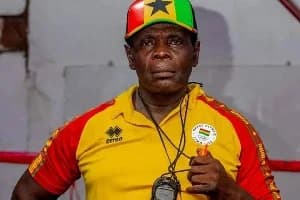
The 2026 Commonwealth Games in Glasgow concluded with a mixture of individual triumph and institutional frustration for Ghana's boxing fraternity. While the nation celebrated Amadu Mohammed’s bronze medal, Coach Ofori Asare revealed that the team’s success was achieved despite a severe lack of basic resources. Asare disclosed that athletes were forced to share essential equipment, including boxing gloves, boots, and shorts, to maintain appearances and fulfill their scheduled bouts. This logistics crisis, according to the coach, was managed internally to prevent national embarrassment but pointed to significant failures in the team’s preparation and support systems. In contrast to these logistical failings, former Ghana Olympic Committee (GOC) President Ben Nunoo Mensah demonstrated personal accountability by fulfilling financial promises made to the medalists. Mensah awarded Amadu Mohammed a cash prize of GH₵5,000 for his bronze-winning performance, adhering to a reward scale that also designated GH₵15,000 for gold and GH₵10,000 for silver. The fulfillment of this pledge, coming from the immediate past leader of the GOC, highlights a reliance on individual leadership and philanthropy to sustain athlete morale in the absence of adequate institutional funding. These developments have sparked a broader conversation regarding the sustainability of sports development in Ghana. While individual resilience and private rewards provide temporary relief, the boxing community is calling for systemic reforms to prevent a recurrence of the equipment shortages witnessed in Glasgow. Ensuring that national athletes are equipped with the basic tools of their trade is seen as a prerequisite for maintaining Ghana’s competitive edge in international sports, moving beyond a model where coaches and former officials must bridge gaps left by the state.
Live rates
Ghana gold price →