••
Centre for Executive Development Urges Professionals to Embrace Strategic Roles Amid AI Rise
•2 min read•2 sources
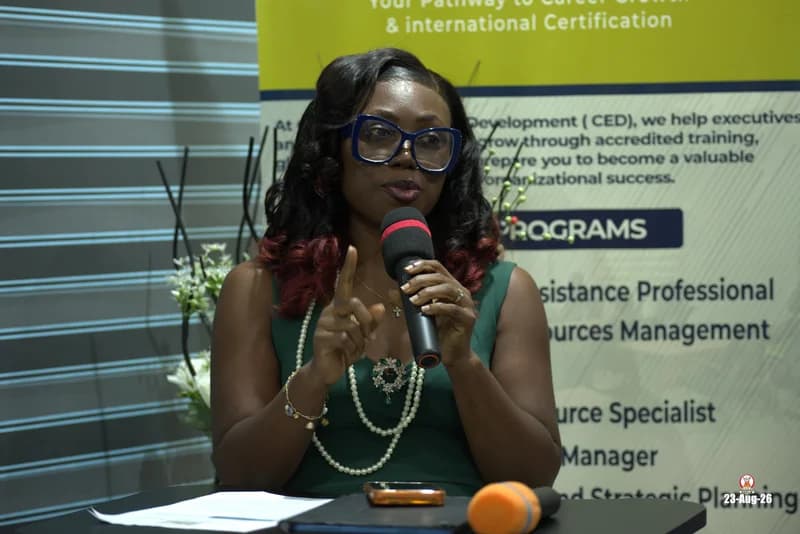
At the Executive and Administrative Leaders Roundtable 2026 held in Accra, Mrs. Abigail Ampontuah-Yeboah, Executive Director of the Centre for Executive Development (CED), issued a clarion call for executive and administrative professionals to redefine their roles. As artificial intelligence (AI) and digital technologies continue to reshape the global workplace, Ampontuah-Yeboah emphasized that these professionals must transition from traditional support staff into strategic partners in organizational leadership. The event brought together a diverse group of stakeholders and experts to discuss the future of executive support and its vital contribution to corporate governance and productivity.
The rise of automation and AI is significantly altering the landscape of administrative work, making it imperative for professionals to pivot away from routine, task-oriented responsibilities. Ampontuah-Yeboah noted that as routine functions become automated, the value of the human professional lies in their ability to handle higher-value, complex tasks. She urged professionals to demonstrate innovation, sound judgment, and a clear, measurable contribution to their organizations. This shift is not merely about surviving technological disruption but about actively leveraging digital tools to enhance organizational effectiveness.
To succeed in this evolving environment, the CED head highlighted the growing importance of soft skills and specialized knowledge. Professionals are encouraged to invest in continuous learning, focusing on areas such as strategic thinking, emotional intelligence, critical thinking, and project management. Ampontuah-Yeboah advocated for a proactive approach to professional development, noting that repositioning as strategic partners requires a focus on higher-value responsibilities. By mastering digital technology and leadership competencies, administrative staff can provide the necessary support for modern leadership teams to thrive.
Looking toward the future, the Centre for Executive Development remains committed to professionalizing these roles through dedicated training, certification, and development programs. Ampontuah-Yeboah stressed that organizational performance is intrinsically linked to the quality of executive support. By investing in the professional growth of their administrative teams, organizations can improve governance and overall operational efficiency. The roundtable concluded with a consensus that the era of the passive support role is ending, replaced by a new standard of strategic engagement and professional excellence.


