••
Regional Security and Tragedies: Anti-Galamsey Raids, Osu Demolitions, and Fatal Stampedes
•2 min read•4 sources
In a series of significant security and social developments, law enforcement agencies across Ghana and Tanzania have intensified operations against illegal activities and superstition-driven violence. Simultaneously, communities in Accra are grappling with mass displacement following state-sanctioned demolitions, while an international tragedy has unfolded in Haiti with dozens feared dead after a catastrophic stampede at a national monument. These events underscore the varied challenges—ranging from environmental degradation and urban land disputes to deep-seated cultural myths—currently facing authorities and the public.
In Ghana, the National Anti-Illegal Mining Operations Secretariat (NAIMOS) executed a successful raid along the Boin River in the Aowin District. The Enchi Task Force arrested seven individuals, including four foreign nationals, and dismantled an illegal mining camp that was actively threatening the river ecosystem. The operation led to the recovery of firearms and ammunition, highlighting an alarming trend of militarization within the illegal mining sector. Meanwhile, in Accra, more than 1,000 residents of the Coconut Plantation area in Osu were rendered homeless following a swift demolition exercise. Authorities characterized the move as a necessary reclamation of state land, but displaced residents expressed distress over the lack of notice and the difficulty of finding new housing amidst a high cost of living.
In North Pemba, Tanzania, police have detained seven suspects in connection with the brutal murder of 35-year-old Hamad Othman Mwalimu. The killing was fueled by a bizarre and persistent myth where victims believe physical contact can cause genitalia to disappear. Mr. Mwalimu was targeted after being falsely accused of causing such harm to another man through a simple touch on the shoulder. Regional police have condemned the act of vigilante justice, labeling the superstitious claims as unfounded and urging the public to rely on formal legal channels rather than harmful myths.
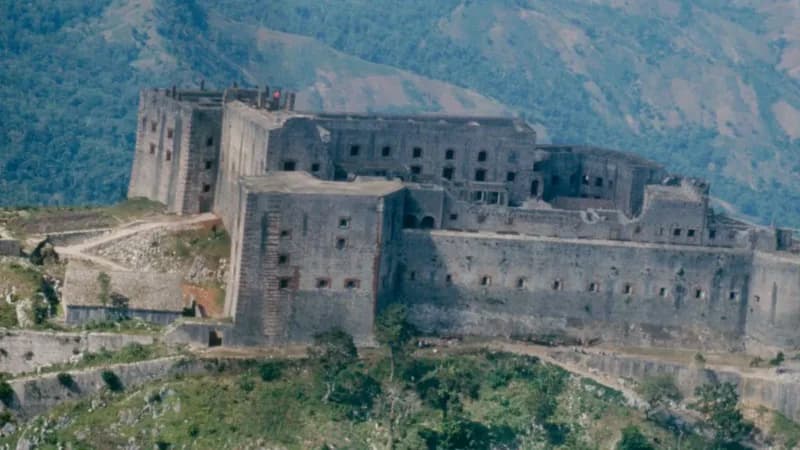
Adding to the global toll of tragedy, at least 30 people are feared dead following a stampede at the Citadelle Laferrière in Milot, Haiti. The incident occurred during a large Easter gathering that had been heavily promoted on social media, attracting a massive crowd of young attendees. Prime Minister Alix Didier Fils-Aimé has launched an investigation into the disaster, which was reportedly exacerbated by heavy rainfall and overcrowding at the UNESCO World Heritage site. As these regions navigate their respective crises, the events highlight a pressing need for improved public safety protocols and more robust enforcement of law and order to protect vulnerable populations.