••
Escalating Humanitarian Crisis in Central African Republic Strained by Influx of Sudanese Refugees
•2 min read•1 source
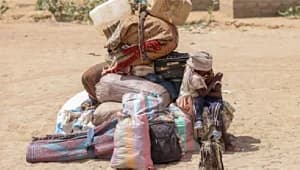
The humanitarian situation in the Central African Republic (CAR) has reached a critical tipping point, with approximately 2.3 million people—representing 35% of the national population—living in a state of extreme vulnerability. This worsening crisis is the result of a devastating convergence of ongoing internal conflicts, recurring epidemics, and severe climate-related shocks. Despite the scale of the suffering, international attention remains limited, leaving millions to face a precarious future as local resources and aid systems struggle to keep pace with growing demands.
A significant driver of the current strain is the ongoing war in neighboring Sudan, which has forced over 35,000 refugees across the border into CAR. The town of Birao has been particularly affected, with its population doubling in a short period due to the influx of displaced families. This surge has placed an unbearable burden on already fragile infrastructure and local food supplies. Compounding the issue is a severe funding shortfall; since early 2025, more than 120 humanitarian bases have been forced to close their doors, significantly reducing the reach of essential services when they are needed most.
Amidst these systemic failures, stories of individual resilience offer a glimpse into the human spirit's endurance. Figures such as Fatna Saleh Youssouf exemplify the struggle of many, as she navigates extreme adversity to provide for her family with limited support from remaining humanitarian organizations. However, aid agencies warn that resilience alone cannot sustain the population. Without an urgent increase in international support and funding, the situation in CAR threatens to deteriorate further, potentially destabilizing the broader region and creating a protracted disaster that will be far more costly to address in the future.