••
Emmanuel Armah-Kofi Buah decentralises mining licensing to district level
•2 min read•4 sources
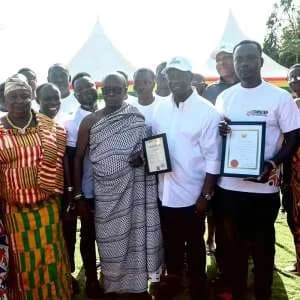
The Minister for Lands and Natural Resources, Emmanuel Armah-Kofi Buah, has announced that District Mining Committees will now issue mining licenses locally. This significant policy shift, authorised under the new Mining and Minerals Act, is designed to streamline the application process and eliminate the requirement for small-scale operators and mining companies to travel to Accra for permits. The announcement was made in Nkroful during the inauguration of the Ellembelle District Mining Cooperative Societies, marking a transition toward more accessible and localized resource management.
The decentralisation of licensing is a key component of the Responsible Cooperative Mining and Skills Development Programme (rCOMSDEP). This initiative aligns with President John Mahama’s commitment to providing legal and sustainable alternatives to illegal mining, commonly known as galamsey. During the launch, nine new cooperative mining sites were introduced in the Ellembelle District, with five specific cooperatives—Salman, Atomic, Asanta, Bomoakpole, and Akropong—receiving official certificates and permits to begin operations within approved areas.
Minister Buah emphasised that the new local licensing regime carries strict environmental and social obligations. Cooperatives are mandated to prioritise land restoration and adhere to responsible mining practices to prevent the ecological degradation typical of unregulated activities. Furthermore, the new Act requires mining entities to establish Community Development Agreements to ensure that host communities benefit directly from local resources. The Minerals Commission has confirmed that it will oversee compliance, with specific funds earmarked for land reclamation and community development projects.
Looking ahead, the government plans a nationwide expansion of this cooperative model. According to Siddiq Sheihu, the Acting National Coordinator of rCOMSDEP, the goal is to establish 72 cooperative sites across Ghana’s 13 mining regions by the end of the year. This expansion is expected to create direct employment for approximately 72,000 people. The programme also integrates vocational training for local youth, aiming to diversify the economic base of mining communities and provide long-term stability beyond gold extraction.
Related topic
John Mahama: Latest News & Updates →Live rates
Ghana gold price →

