••
Johnson Kwabena Asamoah-Gyadu urges end to partisan staff replacements
•2 min read•2 sources
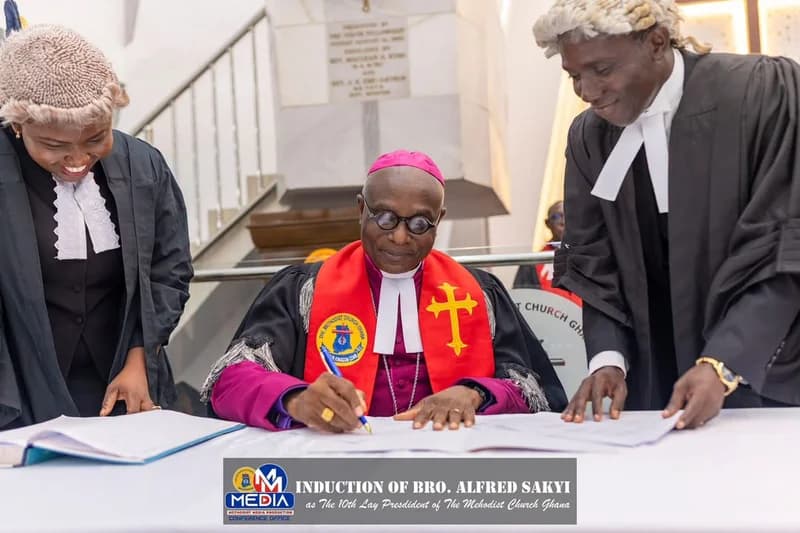
The Presiding Bishop of the Methodist Church Ghana, Most Reverend Professor Johnson Kwabena Asamoah-Gyadu, has called on the government to halt the practice of replacing experienced public sector personnel based on political transitions. Speaking at a press event, the Presiding Bishop emphasized that the nation must prioritize institutional continuity and professional inclusion to achieve sustainable national growth. He argued that the recurring cycle of removing qualified individuals whenever a new administration takes office undermines the country's long-term development potential.
Addressing the media following the induction of Brother Alfred Sakyi as the 10th Lay President of the Methodist Church, Prof. Asamoah-Gyadu criticized the erosion of institutional memory caused by frequent managerial turnovers. He noted that when government transitions trigger the mass replacement of skilled officials with new political appointees, the expertise and historical knowledge required to run state institutions effectively are often lost. This practice, he suggested, prevents the public sector from building on previous successes and creates a fragmented, inconsistent approach to national governance.
The Presiding Bishop urged political leaders to create an environment where all citizens, regardless of their political affiliations, are encouraged to contribute their skills to national progress. He stressed that sustainable development requires the collective efforts of the best available talent across the country. By recognizing individuals based on their professional capabilities rather than their partisan loyalties, Prof. Asamoah-Gyadu believes the government can better harness the expertise needed to address Ghana's socioeconomic challenges and ensure that public services remain efficient across different administrations.
The induction ceremony also marked the formal beginning of Brother Alfred Sakyi’s tenure as Lay President of the church. In his remarks, Sakyi echoed the call for collective action and focused on internal church transformation alongside broader social impact. He pledged to promote teamwork within the church leadership and announced plans to support youth entrepreneurship through targeted programs. These initiatives aim to empower young people and foster spiritual growth, aligning with the church's broader mission of contributing to the holistic development of the Ghanaian people.