••
Vincent Ekow Assafuah and Kingsley Nyarko Demand Radical Reforms and Reinvestment in Ghana Football Following World Cup Exit
•2 min read•4 sources
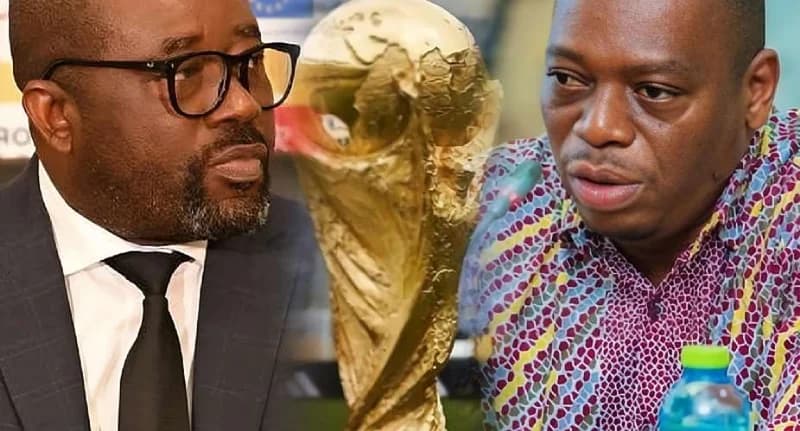
In the wake of the Black Stars' disappointing exit from the FIFA World Cup, prominent Members of Parliament have launched a vocal campaign for a comprehensive overhaul of Ghana's football administration. Vincent Ekow Assafuah, Member of Parliament for Old Tafo and Ranking Member of the Committee on Youth and Sports, along with Kwadaso MP Professor Kingsley Nyarko, are leading the charge for accountability and systemic change. They argue that the national team’s recent performance reflects deep-seated failures within the Ghana Football Association (GFA) that require more than superficial fixes to restore the nation's international standing.
Vincent Ekow Assafuah has specifically demanded that every cedi earned from Ghana’s participation in the global tournament be strictly reinvested into the domestic football ecosystem. Rather than treating World Cup revenues as a source for routine administrative expenditures, Assafuah advocates for a strategic redirection of funds toward grassroots development, talent identification, and modern infrastructure. He emphasizes that building a robust pipeline of talent requires focused investment in coaching education, sports science, and the development of women’s football. According to Assafuah, the true value of World Cup participation must be measured by its long-term developmental impact rather than just immediate on-field results.
While Assafuah focuses on financial reinvestment, Professor Kingsley Nyarko has directed sharp criticism toward the GFA's leadership, specifically targeting President Kurt Edwin Simeon-Okraku. Nyarko described the Black Stars’ exit as a symptom of a broader decline in Ghanaian football, which he attributes to questionable player selection practices and leadership failures. He has called for urgent reforms and suggested that the nation still possesses immense talent that is being squandered by poor management. Nyarko emphasized that leadership must be judged by results, suggesting that if the current GFA administration cannot resolve these issues, they should consider stepping aside.
The growing consensus among these lawmakers and stakeholders is that Ghana can no longer rely on individual brilliance or short-term fixes to compete at the highest level. By framing the World Cup exit as a catalyst for reform, they are pushing for stronger governance, increased transparency, and a shift toward deliberate, long-term planning. The ultimate goal is to transform the lessons learned from recent disappointments into a foundation for a more successful and sustainable era in Ghanaian football, ensuring that future achievements are the product of a well-structured and accountable system.
Live rates
Dollar to cedi rate →
