••
Deputy Minister Dr. Grace Ayensu-Danquah Spearheads Maternal Health and Emergency Care Reforms in Northern Ghana
•3 min read•7 sources
The Deputy Minister of Health, Dr. Grace Ayensu-Danquah, has intensified a national campaign to drastically reduce maternal mortality rates, specifically targeting the Northern Region through the Maternal Mortality Action and Response Programme (MMARP). During a series of community engagements in areas such as Yendi, Adibo, and Gbungbaliga, the Deputy Minister emphasized the government’s commitment to eliminating preventable deaths among mothers and newborns. This initiative seeks to bridge the gap between healthcare facilities and remote communities by fostering closer collaboration between health authorities and local leaders, while simultaneously addressing the systemic challenges within the country’s emergency medical infrastructure.
Central to this strategy is the introduction of the Free Primary Health Care initiative, which deploys community health workers to provide essential services directly to residents in hard-to-reach areas. In addition to mobile health outreach, Dr. Ayensu-Danquah highlighted the critical role of nutrition in maternal wellbeing, encouraging mothers to adopt healthier diets. To sustain these improvements, the government has launched a pioneering Bachelor of Science in Emergency Nursing Programme at the Nurses’ and Midwives’ Training College in Tamale. This first-of-its-kind cohort is expected to bolster the country’s specialized medical workforce, ensuring that frontline responders are better equipped to handle obstetric and other medical emergencies effectively.
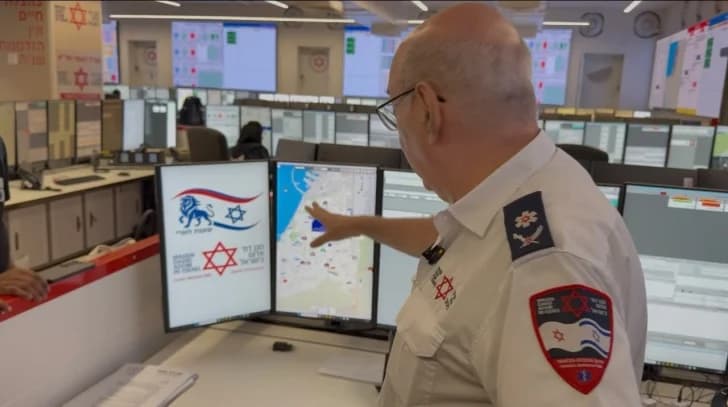
These developments come at a time when Ghana’s broader emergency medical services (EMS) are under intense scrutiny following high-profile systemic failures. The tragic case of Charles Amissah, who died due to inadequate emergency care, has highlighted the need for a more unified and responsive system. Stakeholders are increasingly looking toward international models for inspiration, such as Israel’s Magen David Adom (MDA). Unlike Ghana’s current fragmented system involving multiple organizations, the MDA offers a unified, highly coordinated response. Adopting similar measures—focusing on comprehensive citizen first-aid training and improved ambulance coordination—is seen as a vital step in transforming Ghana’s emergency response into a more proactive life-saving network.
While the government’s outreach has been welcomed by local populations, traditional leaders in the Northern Region have voiced concerns regarding the persistent scarcity of resources and the need for more permanent health personnel on the ground. The Deputy Minister acknowledged these challenges, reiterating that the MMARP and the new nursing initiatives are parts of a broader agenda to decentralize and strengthen healthcare delivery. As the first cohort of emergency nurses begins their training, the success of these programs will likely depend on continued investment in infrastructure and the successful integration of community-based care with a more robust national emergency response system.
This story touches markets covered on Anansi Intelligence ↗.
More from health
Continue exploring similar stories


