••
Baba Yara legacy celebrated as Ghana's legendary King of Wingers
•2 min read•1 source
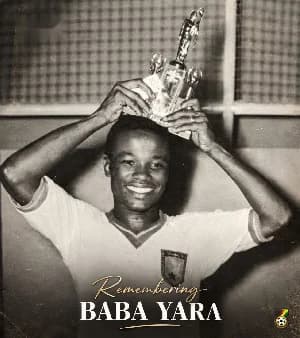
Ghana's football history continues to be defined by the extraordinary legacy of Osman Seidu Maada, universally known as Baba Yara. Celebrated as the "King of Wingers," Yara is widely regarded as one of the most gifted players to ever don the national colors. His rise to prominence in the mid-20th century set a standard for technical excellence and flair that remains a benchmark for aspiring Ghanaian footballers today. However, his remarkable journey was marked by a profound tragedy that continues to resonate within the sporting community.
Born on October 12, 1936, in Kintampo Zongo, Yara’s natural talent quickly propelled him to the forefront of the game. During an era where Ghanaian football was carving out its identity on the continent, his dazzling performances on the flanks earned him his iconic nickname. He was not merely a player but a symbol of the nation's burgeoning athletic prowess, captivating fans with a style of play that combined speed, precision, and an innate understanding of the game.
The trajectory of Yara’s career was abruptly and tragically halted when he was involved in a devastating car accident. At the young age of 26, a time when most footballers are entering their physical prime, the "King of Wingers" saw his playing days come to an end. The accident deprived Ghana of a talent that many believe would have gone on to achieve even greater international acclaim. Despite the brevity of his active career, the impact he made in those few years ensured his place in the pantheon of football greats.
Today, Baba Yara's name remains synonymous with excellence in Ghanaian sports. His life story serves as both an inspiration to young athletes and a poignant reminder of the fragility of professional careers. By remembering his contributions, the football fraternity ensures that the "King of Wingers" continues to influence the sport's culture, maintaining his status as a legendary figure whose story provides an inspirational legacy for generations of players and fans alike.