••
Chief Justice Paul Baffoe-Bonnie Faces Resignation Calls Over Controversial State Enterprise Comments
•3 min read•15 sources
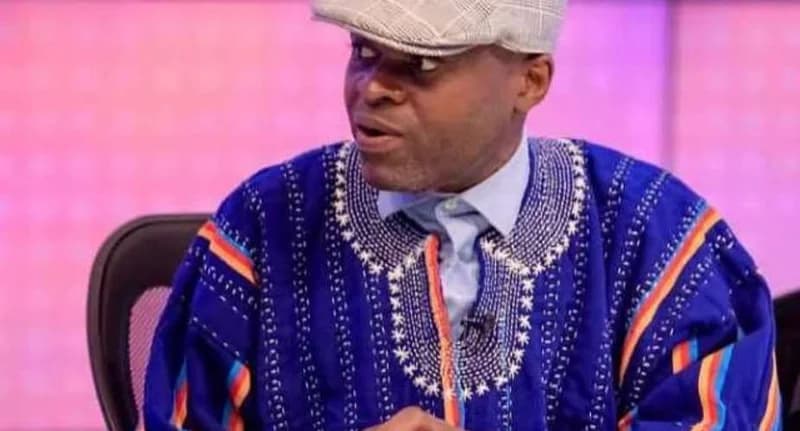
Chief Justice Paul Baffoe-Bonnie is at the center of a political firestorm following remarks he made during a series of outreach visits to state-owned enterprises (SOEs). During visits to the Social Security and National Insurance Trust (SSNIT) and the Minerals Income Investment Fund (MIIF) in early September, the Chief Justice commended the current performance of these institutions while pointedly questioning the progress made during the preceding eight years. These comments have sparked a fierce debate regarding the neutrality of the Judiciary, with members of the New Patriotic Party (NPP) demanding his immediate resignation, alleging that his statements betray a partisan bias against the former Akufo-Addo administration.
The NPP’s call for resignation is part of a broader backlash from political analysts and activists who argue that the Chief Justice’s role requires strict impartiality. Dr. Arthur Kobina Kennedy, a prominent political activist, has been particularly vocal, suggesting that if the Chief Justice requires formal ethical guidelines to understand why his comments were inappropriate, his suitability for the office is in question. Dr. Kennedy and political analyst Dr. Bernard Tutu-Boahene have both urged the Chief Justice to issue a formal apology to preserve the sanctity of the judicial office. Similarly, former Auditor-General Daniel Yaw Domelevo cautioned that such public commentary could compromise the perceived independence of the courts, especially if the institutions being praised or critiqued are involved in future litigation.
In response to the growing criticism, the Judicial Service, through Judicial Secretary Musah Ahmed, issued a statement defending the Chief Justice. The Service maintains that the remarks were made in "good faith" and were intended to be constructive rather than politically motivated. Supporters of the Chief Justice, including lawyer Martin Kpebu and IMANI Africa president Franklin Cudjoe, have argued that his observations were based on objective performance data and that he was speaking as a citizen concerned with national progress. However, this defense has not silenced all critics; Janet Nabla of the People's National Party (PNP) criticized the Chief Justice’s high public visibility, questioning whether his frequent appearances at social and political events align with the expected independence of his office.
Beyond the debate over neutrality, critics like Dr. Arthur Kennedy have urged the Chief Justice to redirect his focus from touring state agencies toward resolving systemic problems within the Judiciary itself. These include addressing judicial corruption, the prolonged detention of remand prisoners, and inefficiencies within the appellate process. As the debate continues, the controversy highlights the delicate balance members of the bench must maintain between public engagement and the appearance of political neutrality. While the Judicial Service has reaffirmed Baffoe-Bonnie’s commitment to justice and equality, the incident has intensified scrutiny on the Judiciary's role in Ghana’s charged political landscape.
Related topic
NPP (New Patriotic Party): Latest News →

