••
Speaker Alban Bagbin and SHEILD Commission GH¢4 Million Dialysis Expansion at Upper West Regional Hospital
•2 min read•2 sources
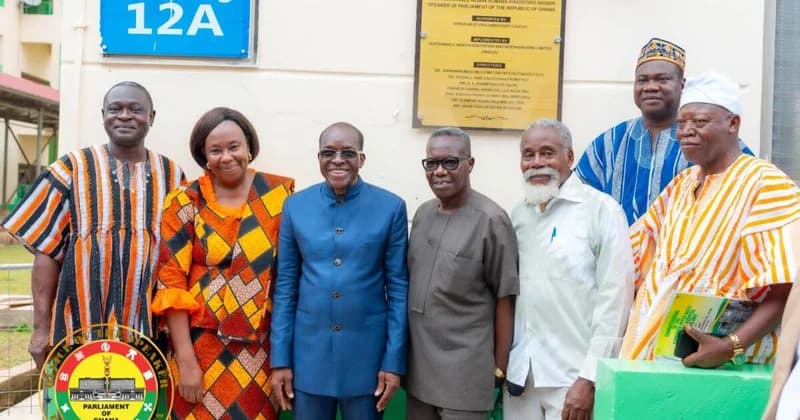
The Upper West Regional Hospital in Wa has seen a major boost in its capacity to treat chronic kidney disease following the inauguration of an expanded GH¢4 million dialysis unit. Commissioned by the Speaker of Parliament, Rt. Hon. Alban Sumana Kingsford Bagbin, the facility is designed to serve thousands of patients across northern Ghana who previously faced dire challenges in accessing life-saving treatment. The expansion aims to significantly alleviate the physical and financial burdens on residents who, until now, often viewed a diagnosis of kidney failure as a death sentence due to the lack of local facilities. The project was made possible through a strategic partnership between the Speaker and the non-governmental organization Sustainable Health Education and Interventions Limited (SHEILD). The unit has been equipped with six additional dialysis machines, providing a critical upgrade to the hospital's service delivery. For years, patients in the region were forced to travel distances of up to 700 kilometers to access dialysis services in other parts of the country. Health advocates and traditional leaders have hailed the intervention as a transformative development that brings essential specialist care closer to the people of the Upper West and neighboring regions. During the commissioning ceremony, hospital officials and local leaders expressed gratitude while also highlighting operational concerns that must be addressed to ensure the facility's long-term success. Administrators cautioned that a consistent and stable power supply is vital to protect the new, sensitive medical equipment. Furthermore, there were calls for broader infrastructure improvements to help retain specialized healthcare professionals in the region, ensuring that the new unit remains fully staffed and functional. The inauguration of this unit marks a significant milestone in the quest for equitable healthcare access across Ghana. By decentralizing specialized medical services, the collaboration between public officials and NGOs serves as a model for bridging the healthcare infrastructure gap in underserved areas. Moving forward, the focus will remain on maintaining the facility and building a resilient health system that ensures no Ghanaian is denied life-saving care based on their geographical location.
This story touches markets covered on Anansi Intelligence ↗.
More from health
Continue exploring similar stories


