••
Dr. Mahamudu Bawumia and TUC Lead Opposition Against Newly Passed Public Tribunal Bill
•2 min read•3 sources
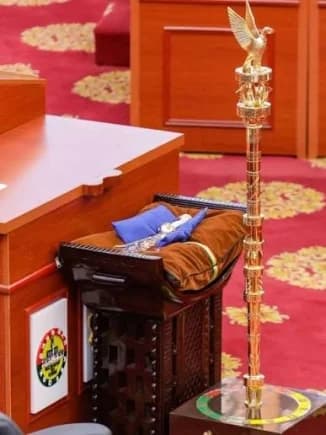
Ghana’s Parliament has passed the Public Tribunal Bill, 2026, a move that has sparked intense political debate and a significant boycott by the Minority in the legislative house. The Bill, which was presented by the Minister of Lands and Natural Resources, Emmanuel Armah-Kofi Buah, seeks to establish a legal framework for a public tribunal system intended to alleviate the backlog of cases in traditional courts and improve overall access to justice. However, the legislation has been met with fierce resistance from organized labor and leading political figures who fear the return of a parallel judicial system that could undermine the rule of law.
Dr. Mahamudu Bawumia, the flagbearer of the New Patriotic Party (NPP), has emerged as a prominent critic of the legislation, formally urging President Mahama to withhold his assent. Dr. Bawumia argues that the Bill directly contradicts the recommendations of the H. Kwasi Prempeh Constitutional Review Committee, which previously advocated for the abolition of the Regional Tribunal system. He expressed specific concern regarding the composition of these tribunals, noting that allowing non-lawyers to adjudicate criminal matters could jeopardize the quality of justice. Instead of creating new structures, Dr. Bawumia has called for the strengthening of the existing judiciary and more inclusive stakeholder engagement to ensure any reform reflects a broad national consensus.
Joining the opposition, the Trades Union Congress (TUC) has vehemently rejected the reintroduction of public tribunals, citing historical precedents where such systems were used to politicize justice. Joshua Ansah, the TUC Secretary-General, emphasized that the government should avoid a selective approach to constitutional amendments and instead focus on establishing proper, transparent legal frameworks. The TUC has demanded that the government cease the current legislative process and release the full report of the Constitution Review Committee to facilitate a more informed public discussion on judicial reforms.
As the Bill awaits presidential assent, the standoff highlights a deep divide between the government’s stated goals of efficiency and the opposition's fears of executive overreach. While proponents argue that the move is a necessary reform to address rising case numbers, critics remain steadfast that the Bill risks reverting to problematic judicial practices of the past. The coming weeks will be critical as the President weighs the legislative mandate against the calls for a national debate and a more unified approach to constitutional change.
Related topic
NPP (New Patriotic Party): Latest News →

