••
Ghana Intensifies Environmental Protection and Agricultural Support Initiatives to Combat Illegal Mining and Boost Rural Economies
•3 min read•6 sources
The Government of Ghana, through multiple ministries and agencies, has launched a series of strategic initiatives aimed at environmental conservation, agricultural revitalization, and community development. Central to this effort is a significant investment in ecotourism facilities by the Ministry of Lands and Natural Resources, intended to provide alternative livelihoods for communities currently impacted by illegal mining (galamsey). Minister Emmanuel Armah-Kofi Buah announced that by the end of 2026, major upgrades including rehabilitated visitor centers, eco-lodges, canopy walkways, and digital ticketing systems will be completed in key areas such as Kakum and Mole National Parks. These investments are designed to make forest conservation economically viable for local populations while strengthening protections for forest reserves and water resources through the deployment of forest guards and drone surveillance.
Parallel to these ecotourism upgrades, the government is accelerating its national reforestation efforts through the 'Tree for Life Restoration Initiative.' Following a successful 2025 campaign that saw over 31 million seedlings planted across 23,600 hectares of degraded land, the Ministry aims to plant an additional 30 million trees this year. This reforestation drive is complemented by the Ghana Cocoa Board’s (COCOBOD) nationwide sensitization campaign for its reintroduced Free Fertiliser and Agro-Inputs Distribution Programme. By transitioning from a subsidized system to a fully government-funded model, COCOBOD seeks to enhance cocoa production and farmer livelihoods, utilizing 247 community distribution centers to ensure accountability and efficiency across all cocoa-growing regions.
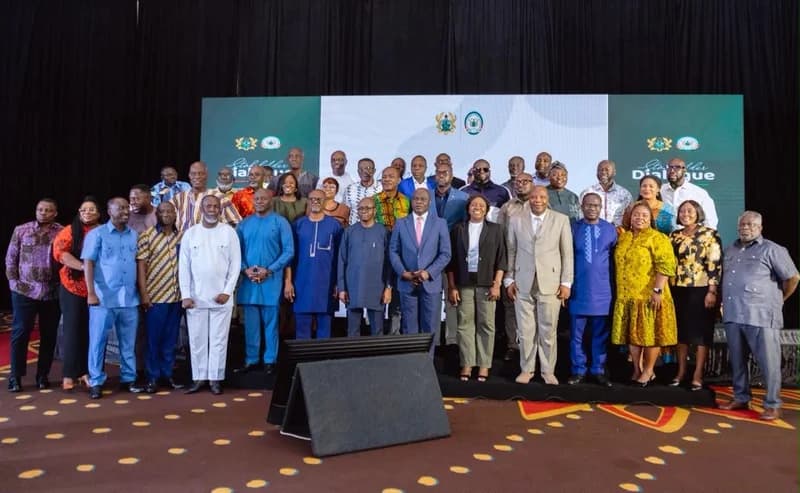
While infrastructure and agricultural programs expand, stakeholders are also addressing the critical challenges of sanitation and public health. At a recent high-level dialogue in Accra, environmental experts and government officials, including Minister Ahmed Ibrahim, emphasized the urgent need for a sustainable funding model for waste management as the current Sanitation and Pollution Levy faces shortfalls. This is supported by calls from the AfriKan Continental Union Consult (ACUC) to move beyond periodic clean-up exercises toward institutionalizing a national culture of cleanliness through education and stricter regulation. Highlighting the importance of community-level interventions, the Gold Fields Ghana Foundation and World Vision Ghana recently handed over a sustainable, solar-powered water supply system to the Damang community, providing safe drinking water to over 200 homes and institutions.
Together, these multi-sectoral efforts reflect a broader national strategy to secure Ghana’s natural resources and improve the wellbeing of its citizens. The shift toward sustainable ecotourism, aggressive reforestation, and direct agricultural support represents a coordinated attempt to curb the environmental destruction caused by illegal mining while building a more resilient, green economy. As these projects move toward their late 2026 milestones, the focus remains on ensuring transparent governance, securing long-term funding for public services, and fostering behavioral changes that prioritize environmental stewardship and community health.
Live rates
Ghana gold price →