••
Bunia health workers combat Ebola misinformation through home visits
•2 min read•1 source
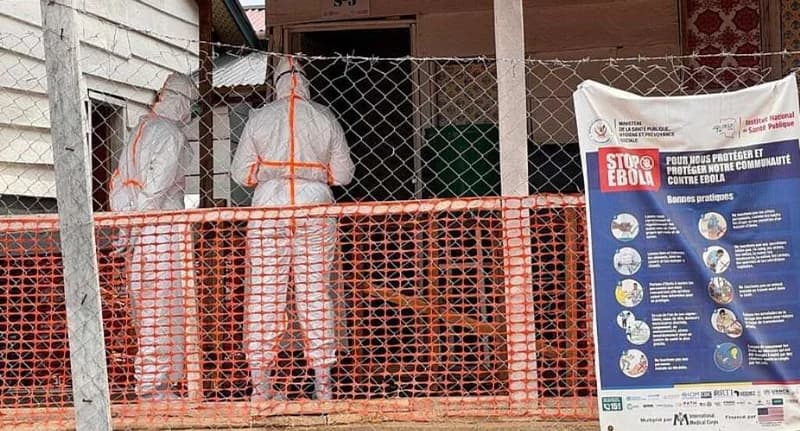
In the Democratic Republic of Congo, community health teams have launched an intensive public awareness campaign in Bunia to contain the country's deadliest Ebola outbreak. Currently designated as a public health emergency, the crisis has prompted health workers to conduct door-to-door visits to educate residents on the risks of the virus and the importance of seeking professional medical care. These efforts are part of a broader strategy to bridge the gap between medical institutions and local communities during a period of heightened health insecurity.
Led by Emmanuel Birunga in the Rwampara area, these health teams are specifically targeting the misinformation that hindered early response efforts. Initially, many residents dismissed Ebola symptoms, attributing them to common illnesses like malaria or even intentional poisoning. Birunga and his colleagues are working to rebuild trust in clinical settings, emphasizing that early detection and isolation are critical to survival. As a result of these persistent home visits, local understanding of the disease's severity has improved, and more families are beginning to utilize health centers.
However, the focus on Ebola has created a significant strain on other essential health services, particularly in maternal and child health. There has been a sharp decline in antenatal visits and supervised childbirths as expectant mothers avoid clinics for fear of infection. This trend has contributed to a worrying rise in maternal mortality rates. To address the broader impact on families, UNICEF has established specialized nurseries for children separated from their parents due to the outbreak, while survivors like Sarah have joined the effort to provide emotional and logistical support to those currently affected.
Despite the progress made in community outreach, the situation in Bunia and surrounding regions remains critical. Ongoing armed conflict and long-standing infrastructure challenges continue to complicate the delivery of medical supplies and the mobility of health workers. Public health experts warn that while community engagement is a vital step forward, sustained international support and improved regional stability are necessary to fully bring the outbreak under control and restore normal health services for the population.


