••
Cancer Research UK warns only 30% of parents recognise childhood cancer
•2 min read•1 source
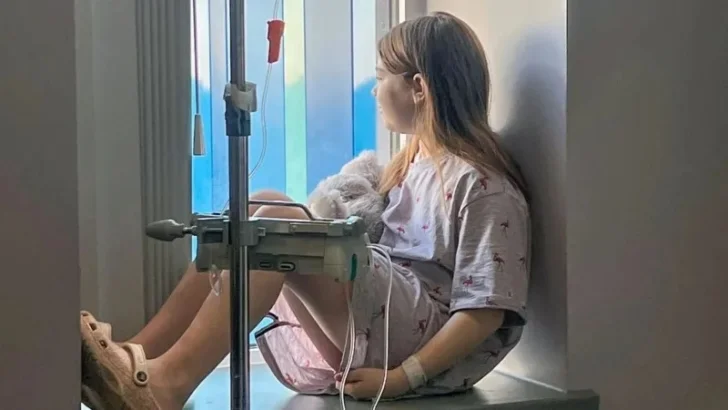
Cancer Research UK has alerted the public that less than a third of parents feel confident in identifying the symptoms of childhood cancer, despite it being the leading cause of death from disease among children under 15. Each year, approximately 1,900 children aged 0 to 14 are diagnosed with the condition in the United Kingdom. The organisation is now campaigning for increased public awareness and more efficient diagnosis protocols to ensure that early warning signs are not overlooked by families or healthcare providers.
While survival rates have improved significantly since the 1970s—with more than 80% of young patients now surviving for at least five years—experts warn that many children still face dangerously long waiting times for a definitive diagnosis. The campaign emphasises the necessity of adhering to strict referral guidelines to help medical professionals catch the disease early. Early intervention is considered vital for improving long-term health outcomes and reducing the physical toll of aggressive treatments on young bodies.
The human cost of delayed diagnosis is highlighted by several high-profile case studies, including thirteen-year-old Amelia Carroll, whose early symptoms were initially missed. Another tragic instance involves 13-year-old Jake Swinscoe, who passed away after a battle with the disease. His mother, Lynsey Swinscoe, has since become a vocal advocate for better awareness, urging parents to trust their instincts and seek medical attention if they notice persistent or unusual symptoms in their children.
Cancer Research UK is calling for a unified effort to bridge the confidence gap among parents and streamline the pathway from the first consultation to specialist treatment. By improving diagnosis times and fostering a better understanding of how childhood cancer presents, the organisation hopes to further increase survival statistics. Medical experts continue to stress that while childhood cancer is relatively rare, being alert to persistent health changes is the most effective way for parents to protect their children.
