••
Human Crisis Unfolds as Tens of Thousands Return from Spanish Enclave of Ceuta to Morocco
•2 min read•3 sources
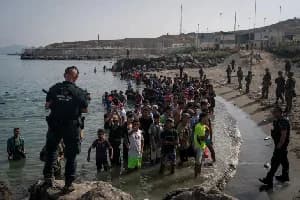
The Spanish enclave of Ceuta is attempting to return to normalcy following a massive and sudden influx of approximately 60,000 migrants from Morocco. Spain’s interior minister has reported that the vast majority of those who entered the territory over a matter of days have now departed, many being directed back across the border by Spanish soldiers and Civil Guard officers. This surge, fueled in part by false rumors of open borders, has triggered a humanitarian crisis that stretches from the streets of the enclave to the Moroccan border town of Fnideq.
For those who successfully entered Ceuta, the experience was often one of severe hardship rather than the opportunity they sought. Migrants returning to Morocco in small groups described spending several days facing extreme hunger and a lack of basic hospitality. Exhausted and disillusioned, these individuals—primarily young men—were ushered back by Spanish authorities as several European Union member states signaled a move to enhance border controls in response to the unprecedented movement of people across the Mediterranean frontier.
Across the border in Fnideq, the atmosphere remains heavy with anxiety as dozens of Moroccan families gather to seek news of loved ones who remain unaccounted for. Many attempted the perilous journey by swimming around the breakwaters that separate the two territories, leading to rising fears of high death tolls and numerous missing persons. Desperate relatives have expressed sharp criticism of the Moroccan government, accusing officials of failing to adequately educate the youth about the dangers of irregular migration and allowing the spread of misinformation that prompted the dangerous crossing.
While life in Ceuta is beginning to stabilize, the long-term implications of the surge continue to resonate across the region. The event has underscored the volatility of migration routes into Europe and the deep-seated desperation of young North Africans seeking better prospects. As authorities work to secure the borders and manage the flow of returnees, the focus remains on the significant humanitarian toll and the urgent need for more effective communication and economic interventions to prevent future tragedies in these waters.

