••
Chinese Global Initiatives, Media Freedom, and Regional Diplomacy Shape African Development Landscape
•3 min read•6 sources
The geopolitical and social landscape of Africa is undergoing a significant transformation, driven by emerging international partnerships and a renewed focus on internal development. During the 2026 Ghana-China Media Fellowship in Accra, Chinese Ambassador Cong Song highlighted China’s four major global initiatives—Global Development, Security, Civilisation, and Governance—as pivotal frameworks for African progress. These initiatives aim to address development disparities through poverty reduction and climate action while advocating for African-led solutions to security challenges. Ambassador Cong emphasized that reforming global governance to better represent developing nations is essential for fostering a more equitable international order, a sentiment that aligns with Ghana’s national aspirations for transparent and value-added cooperation.
Simultaneously, the European Commission has formally recognized the Congress of African Journalists (CAJ) as an emerging force in the continent’s media future. In a communication from President Ursula von der Leyen’s office, the Commission underscored the vital role of independent journalism in promoting free expression and reliable information within the EU-Africa relationship. While current frameworks do not yet allow for a formal partnership, the CAJ viewed this acknowledgment as a catalyst to strengthen sustainable journalism programs and institutional media integrity across Africa. This focus on communication and governance is mirrored in Uganda, where military chief Gen. Muhoozi Kainerugaba recently unveiled a statue of Yonatan Netanyahu at Entebbe Airport. The memorial, honoring the 1976 rescue mission, signifies a profound strengthening of ties between Uganda and Israel, marking a departure from the historical tensions of the Idi Amin era.
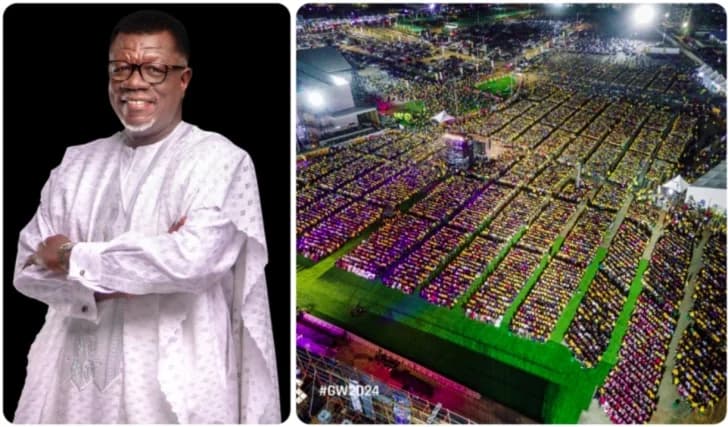
On the social and spiritual front, Ghana continues to serve as a hub for major religious gatherings and humanitarian outreach. The International Central Gospel Church (ICGC) has announced its flagship 'Greater Works 2026' conference, set to host global Christian leaders like Pastor Mensa Otabil, Pastor Paul Adefarasin, and Bishop Tudor Bismark in Accra this August. In a more localized effort, Quiet Hour Ministries donated four motorcycles and 500 Bibles to the Volta Ghana Mission of the Seventh-day Adventist Church. These tools are specifically designated to enhance pastoral care and evangelistic outreach in the remote areas of the Volta Region, ensuring that support reaches beyond urban centers to those in underserved communities.
Despite these advancements in diplomacy and local outreach, significant humanitarian challenges persist in the region. At the Palabek Refugee Settlement in northern Uganda, South Sudanese refugees continue to face a burgeoning mental health crisis and severe food insecurity. Reports indicate that reduced donor support following the pandemic has led to dramatic cuts in food rations by the UNHCR and WFP, leaving families struggling to cope with the burden of displacement. These contrasting narratives of high-level diplomatic initiatives and grassroots humanitarian struggles highlight the complex, multifaceted nature of Africa’s current development trajectory, where institutional growth must be balanced with the urgent needs of the most vulnerable populations.


