••
CHOPSS Ready to Absorb 54,985 Candidates Following 2026 Public SHS Placement Exercise
•2 min read•1 source
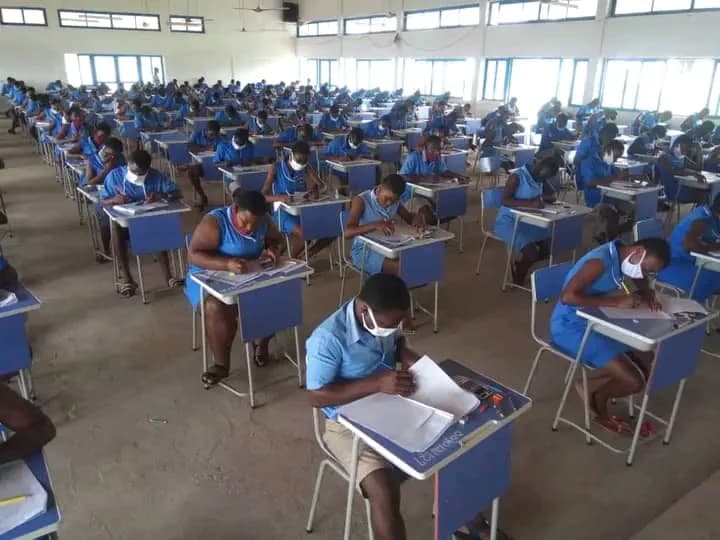
The Conference of Heads of Private Second-Cycle Schools (CHOPSS) has announced its readiness to absorb 54,985 candidates who were not placed in public senior high schools following the 2026 placement exercise. Following the release of the computerized placement results, CHOPSS issued a reassuring message to affected students and their families, emphasizing that the lack of a public school placement does not signal the end of a student's educational journey. The organization highlighted its capacity to provide immediate, high-quality alternatives for those who might otherwise be left behind by the public system.
Historically, private second-cycle institutions in Ghana have played a vital role in providing a "second chance" for students who fall below the admission cut-off points of highly competitive public schools. CHOPSS pointed out that many of these students successfully transition from private high schools to various tertiary institutions, demonstrating the high standard of academic training available outside the public sector. The group expressed confidence in its ability to transform the current placement challenges into opportunities for academic growth and future success.
To facilitate this transition, CHOPSS has called upon its member schools to offer affordable admission options and discounted fee structures. Recognizing the financial burden families face during the admission season, the organization encouraged private school heads to be flexible to ensure that quality education remains accessible to all. This move is seen as a crucial intervention to maintain educational momentum for tens of thousands of young Ghanaians who are currently navigating the uncertainties of the placement system.
Despite the competitive challenges introduced by the Free Senior High School (SHS) policy, which shifted the majority of enrollment toward the public sector, CHOPSS remains committed to improving the country's educational landscape. By offering these placements, private schools are reaffirming their status as indispensable partners to the government in achieving universal access to secondary education. The organization continues to encourage parents to explore private options as a viable and effective route for their children's future.
