••
CJID and International Partners Launch New Initiatives to Bolster Media Integrity and Specialized Journalism Across West Africa
•3 min read•4 sources
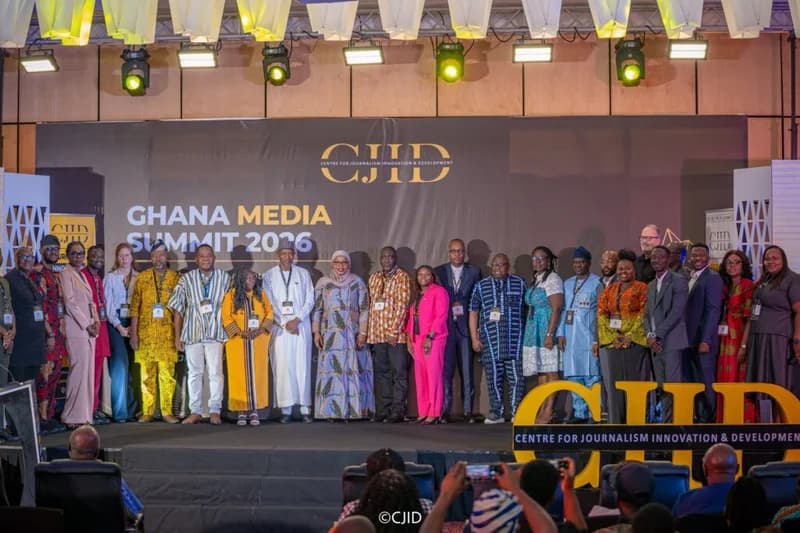
Journalism in West Africa is undergoing a significant transformation as regional bodies and international partners ramp up efforts to combat misinformation and enhance specialized reporting. At the heart of these developments is the Centre for Journalism Innovation and Development (CJID), which utilized its inaugural Ghana Media Summit in Accra to outline a robust strategy for the media ecosystem. These initiatives arrive at a critical juncture for the region, where the sustainability of newsrooms and the integrity of information are increasingly challenged by economic pressures and technological shifts.
To address the growing threat of AI-driven misinformation, CJID Executive Director Babatunde Akintunde announced the establishment of a Digital Technology and Information Integrity Centre. This center is designed to equip journalists with advanced skills in digital content investigation and verification, specifically targeting the sophisticated false narratives generated by tools such as ChatGPT and Google’s Gemini. With upcoming elections across the region, the initiative aims to maintain public trust by ensuring media houses can identify and debunk AI-generated falsehoods. Furthermore, CJID is expanding its financial support for investigative journalism, targeting smaller, independent newsrooms in Ghana, Nigeria, The Gambia, Liberia, and Sierra Leone to ensure that public-interest reporting remains viable despite dwindling traditional funding sources.
Parallel to these technological and investigative efforts, the Africa Extractive Media Fellowship (AEMF) has inducted a new cohort of 50 journalists to improve reporting on the mining and natural resource sectors. Supported by the Australian High Commission, this fellowship follows the successful graduation of an inaugural group of 20 fellows. High Commissioner Bernice Owen-Jones emphasized Australia’s commitment to responsible mining practices, noting that specialized media training is essential for promoting transparency and informed public discourse on natural resource governance. This training includes engagement with industry players and policymakers, bridging the gap between technical extractive processes and public understanding.
The professional growth of the Ghanaian press is further exemplified by the international recognition of Maltiti Sayida Sadick, a senior journalist at the Ghana Broadcasting Corporation (GBC). Nominated by the German government for its Visitor’s Programme on Religion and Integration, Sadick was commended by the IPPFoRB Caucus for her commitment to issues of development and social cohesion. Her participation in this international dialogue reflects a broader trend of Ghanaian journalists gaining global platforms to refine their craft. Collectively, these initiatives—from AI verification and extractive industry oversight to international integration programs—signal a concerted effort to build a resilient, multi-faceted media landscape capable of safeguarding democracy and driving development across West Africa.