••
COCOBOD Completes GH¢2.3 Billion DDEP Bond Settlement to Bolster Cocoa Sector Sustainability
•2 min read•4 sources
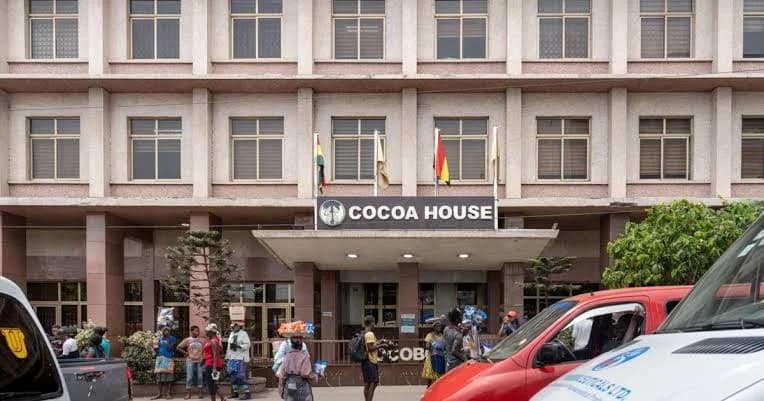
The Ghana Cocoa Board (COCOBOD) has officially fulfilled its mandatory bond obligations for 2026 under the Domestic Debt Exchange Programme (DDEP), settling a substantial GH¢2,306,202,372.09. This financial milestone, confirmed in a statement released on September 1, 2026, marks the completion of the board's scheduled payments to bondholders for the year. The settlement is a critical component of the government's broader effort to stabilize the national economy and ensure the long-term viability of the cocoa industry, which remains a cornerstone of Ghana's export revenue.
This latest disbursement follows an earlier coupon payment of GH¢376,325,910.09 made in March 2026. When combined, COCOBOD has distributed a total of GH¢2,682,528,282.18 to DDEP-impacted bondholders throughout the 2026 fiscal year. These figures reflect the board's adherence to the restructured debt timelines and its capacity to meet large-scale fiscal commitments. The consistent payment schedule is intended to restore investor confidence in COCOBOD's financial instruments after the complexities introduced by the debt exchange initiatives.
In addition to its DDEP-related commitments, COCOBOD successfully addressed obligations to investors who remained outside the debt exchange framework. In July 2026, the board fully settled GH¢162 million owed to non-DDEP Cocoa Bill holders. By clearing these outstanding debts, the board has demonstrated a comprehensive approach to liability management, ensuring that all categories of creditors are addressed in accordance with the Ministry of Finance's strategic guidelines. This multi-tiered settlement strategy highlights a disciplined transition toward a more sustainable financial model for the cocoa sector.
The successful fulfillment of these obligations is expected to provide much-needed liquidity and stability to Ghana’s financial markets. By meeting these milestones, COCOBOD aims to strengthen its balance sheet and enhance its creditworthiness for future operations. As the board moves forward, the focus remains on leveraging this improved financial standing to support cocoa farmers and maintain Ghana’s competitive edge in the global market, ensuring that the sector continues to drive economic growth under responsible fiscal management.