••
COPEC Challenges Government Strategy on 24-Hour Economy Amidst Namibian Trade Tour and Rising Global Fuel Demand
•3 min read•4 sources
Ghana's business landscape is currently shaped by a combination of strategic diplomatic engagements in the Volta Region and critical evaluations of President John Mahama's flagship 24-hour economy policy. While international actors like Namibia’s High Commissioner explore regional investment opportunities, local industry experts are urging the administration to prioritize essential infrastructure and security over physical market construction. These domestic developments occur against a backdrop of shifting global energy dynamics and new regulatory standards for the informal transport sector in Northern Ghana.
Duncan Amoah, the Executive Secretary of the Chamber of Petroleum Consumers (COPEC), has raised significant concerns regarding the implementation of the 24-hour economy. Amoah argues that for the initiative to truly transform the nation’s productivity, the government must focus on creating conducive conditions rather than simply building new structures. He highlighted that essential factors such as enhanced night-time security, improved street lighting, and specific business incentives for off-peak operations are the real catalysts for a functional night economy. Without these safeguards, Amoah warns that significant infrastructure investments may fail to yield the intended economic benefits.
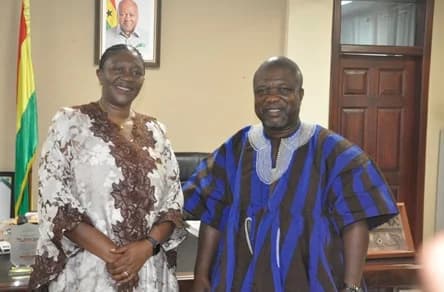
Parallel to these policy debates, Namibia’s High Commissioner to Ghana, Ndiyakupi Nghituwamata, has commenced a five-day economic familiarization tour of the Volta Region to strengthen trade ties. In meetings with regional officials, including Regional Minister James Gunu, the High Commissioner sought to identify prospects in tourism, agriculture, and cross-border trade. The Volta Region is being positioned as a prime investment hub due to its proximity to Togo and its relative lack of illegal mining issues, which offers a stable environment for international collaboration and shared prosperity between the two nations.
In the transport sector, the National Road Safety Authority (NRSA) is advancing the formalization of commercial operations by sensitizing motorcycle and tricycle operators in Bolgatanga on Legislative Instrument (L.I.) 2519. This regulatory push requires operators to register with recognized unions and adopt mandatory identification measures, such as yellow number plates, within a six-month transition period. Meanwhile, on the global stage, Aliko Dangote’s $20 billion refinery in Lagos has seen a massive surge in demand due to disruptions caused by international conflicts, reportedly boosting the billionaire’s fortune by over $5 billion as nations seek alternative fuel sources outside of traditional Middle Eastern routes.
These diverse developments—ranging from local regulatory shifts in Bolgatanga to global energy market fluctuations—underscore the complex environment facing the current administration. The success of Ghana’s economic agenda will likely depend on balancing these international trade opportunities with the rigorous domestic implementation of safety standards and the strategic infrastructure demands of the 24-hour economy. As the six-month grace period for transport operators continues, the focus remains on whether the government will pivot its strategy to meet the security and lighting requirements demanded by industry players.
Related topic
John Mahama: Latest News & Updates →