••
COPEC Projects Significant Fuel Price Hikes for October; Diesel to Surge by 22.91%
•2 min read•7 sources
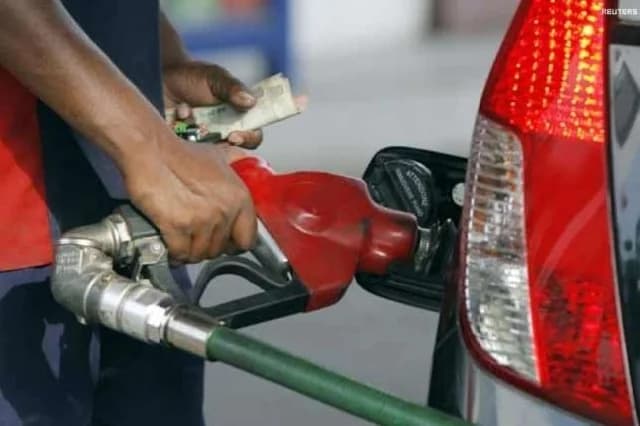
Motorists and consumers across Ghana are bracing for a substantial increase in petroleum prices scheduled to take effect on October 1, 2026. According to the latest projections from the Chamber of Petroleum Consumers (COPEC), diesel is expected to see the most dramatic rise, with a projected 22.91% jump from GH18.24 to GH22.42 per litre. Petrol prices are also slated for an upward adjustment of 5.21%, moving from GH16.90 to approximately GH17.78 per litre. These increases come at a time when the cost of living remains a critical concern for the Ghanaian public, with the price surge expected to hit the transport and manufacturing sectors particularly hard.
The anticipated price hikes are driven by a combination of international market volatility and local currency challenges. COPEC attributes the surge to rising international petroleum prices, which have reportedly climbed from $103.07 to $124 per barrel, alongside a slight depreciation of the Ghana cedi against the US dollar. Beyond liquid fuels, Liquefied Petroleum Gas (LPG) consumers are also expected to face higher costs, with prices projected to rise to GH15.68 per kilogramme. Industry analysts warn that without immediate policy cushions, these adjustments will inevitably lead to higher inflation across various sectors of the economy.
In response to these projections, COPEC has issued an urgent appeal to both the government and the private sector to mitigate the impact. The Chamber is calling on Oil Marketing Companies (OMCs) to consider reducing their profit margins to help absorb some of the costs for the end consumer. Furthermore, there is a renewed push for the government to expedite the expansion and modernization of the Tema Oil Refinery (TOR). COPEC argues that increasing local refining capacity is the only sustainable long-term solution to reduce Ghana's heavy reliance on expensive imported petroleum products and shield the domestic economy from global price shocks.
The ripple effects of fuel adjustments are already a point of contention within the transportation sector. In the Upper West Region, the Ghana Private Road Transport Union (GPRTU) has highlighted the strain that rising operational costs place on both drivers and commuters. While the union has previously managed minor fare adjustments, officials like Alhaji Nuhu Mahama have urged passengers to report any unapproved charges to ensure stability. As the October pricing window approaches, the government faces increasing pressure to stabilize the energy market and protect citizens from the escalating costs of basic transit and fuel.
Live rates
Dollar to cedi rate →