••
Ibrahim Sannie Daara and Yaw Ampofo Ankrah Defend GFA Leadership and Carlos Queiroz Following World Cup Exit
•2 min read•2 sources
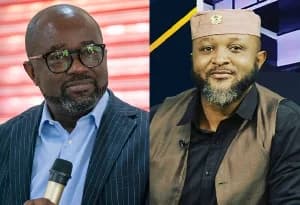
In the wake of Ghana's elimination from the 2026 FIFA World Cup, prominent sports figures have come forward to defend the performance of Black Stars head coach Carlos Queiroz and the leadership of Ghana Football Association (GFA) President Kurt Okraku. Despite widespread public disappointment and mounting calls for accountability, former GFA Communications Director Ibrahim Sannie Daara and National Sports Authority (NSA) Director-General Yaw Ampofo Ankrah have offered perspectives that favor the current sports establishment. These defenses emphasize tactical pragmatism and administrative stability as counter-arguments to the popular sentiment calling for sweeping changes in the national team’s management.
Ibrahim Sannie Daara specifically addressed the criticism directed at head coach Carlos Queiroz, framing the coach's decisions as a necessary adaptation to the reality of the team’s circumstances. According to Daara, Queiroz "played to our strengths, not our dreams," arguing that the coach successfully managed a squad significantly hampered by injuries. By maximizing the potential of the available players during the campaign, Daara contends that the technical team effectively navigated a difficult situation that was largely beyond their control, prioritizing functional results over idealistic expectations.
Simultaneously, the administrative leadership of the GFA has received backing from Yaw Ampofo Ankrah. Addressing the growing frustration from fans who have called for President Kurt Okraku to resign, the NSA Director-General noted a significant divide between public opinion and the views of industry insiders. Ankrah stated that while fans remain unhappy with recent outcomes, "football people"—referring to administrators and internal stakeholders—remain pleased with Okraku’s management of the association. He indicated that internal discussions with various stakeholders revealed continued support for the President's leadership and his handling of football activities in the country.
This unified defense from influential voices suggests a potential disconnect between the GFA’s internal evaluation and the expectations of the Ghanaian football public. As the nation processes its exit from the global stage, the focus remains on whether the current leadership can bridge this gap or if the pressure from disgruntled supporters will eventually necessitate a change in direction. For now, the narrative from within the sport’s administrative circles remains one of resilience and tactical justification in the face of adversity.


