••
Djibouti boat capsizing leaves 139 Ethiopian migrants dead
•2 min read•4 sources
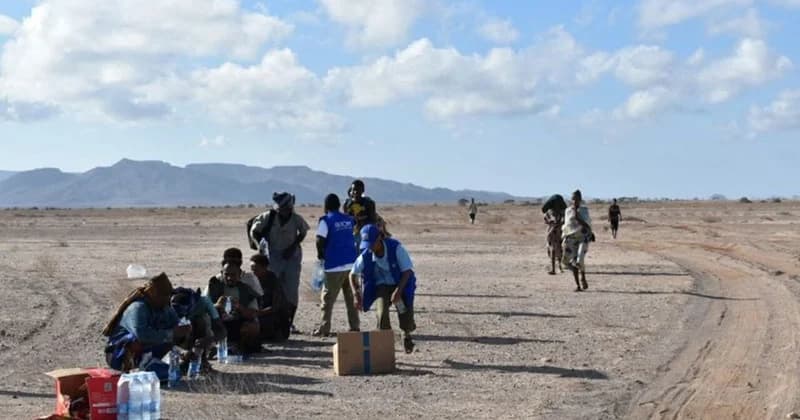
At least 139 migrants, including 15 children, have been confirmed dead after a vessel carrying 305 people capsized off the coast of Djibouti. The disaster occurred near Guhere, north of the town of Obock, during the night of October 8-9. According to the International Organization for Migration (IOM), the boat was en route to Yemen when it sank in the Gulf of Aden, marking one of the deadliest incidents on the migratory route between the Horn of Africa and the Arabian Peninsula.
Search and rescue operations conducted by Djiboutian authorities and supported by the IOM have recovered 82 survivors so far. However, approximately 84 people remain missing, and the death toll is expected to rise as search efforts continue. The UN agency confirmed that all individuals on board were Ethiopian nationals who were attempting the perilous sea crossing in search of better economic opportunities in Gulf countries.
The IOM has documented a significant increase in migrant traffic along the "Eastern Route" recently, driven by ongoing conflicts and economic hardship in both Ethiopia and Yemen. IOM Director General Amy Pope emphasized that the loss of life underscores the desperate conditions faced by migrants and called for the creation of safer, legal migration avenues. The agency is currently providing emergency medical and psychological support to the survivors of the tragedy.
Djibouti has become a critical transit point for thousands of migrants from the Horn of Africa who risk their lives on the journey across the Red Sea and Gulf of Aden. Despite the severe dangers of the crossing and the conflict in Yemen, the flow of people remains steady. The UN continues to work with local authorities to monitor the situation and provide aid, though this latest incident highlights the urgent need for regional cooperation to prevent further loss of life at sea.