••
DR Congo calls Formula One plans for Rwandan Grand Prix indefensible
•2 min read•1 source
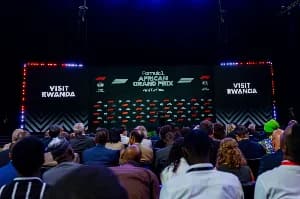
The Democratic Republic of Congo (DRC) has officially protested Formula One’s plans to host an African Grand Prix in Rwanda, describing the decision to race in the neighboring country as "indefensible." DRC Foreign Minister Thérèse Kayikwamba Wagner raised concerns that the sporting event, currently slated for the early 2030s, would be used to bolster the international reputation of an authoritarian administration. The protest highlights the growing intersection of global sports and regional geopolitics in East Africa.
The planned race was recently announced following discussions between Rwandan President Paul Kagame, Formula One Chief Executive Stefano Domenicali, and FIA President Mohammed Ben Sulayem. The event is expected to take place at a new, yet-to-be-built circuit located near the Rwandan capital, Kigali. For Formula One, the project represents a long-awaited return to the African continent, which has not hosted a Grand Prix since the 1993 race at Kyalami in South Africa.
However, the DRC government argues that bringing such a high-profile global event to Rwanda constitutes a form of "sportswashing." Minister Wagner suggested that the race is a strategic move to enhance the image of President Kagame’s government despite ongoing regional criticisms. This diplomatic friction follows years of tension between Kinshasa and Kigali over security issues and allegations of cross-border interference in eastern DRC.
Despite the formal protest from the DRC, Formula One leadership has remained focused on its goal of establishing a permanent presence in Africa to ensure the championship is truly global. While the Kigali circuit is still in the planning stages, the project remains a key part of the sport's expansion strategy for the next decade. The situation underscores the challenges sports organizations face when selecting venues in regions marked by complex political rivalries.