••
DRC Launches Ebola Vaccination for Health Workers Amid Regional Transmission Fears
•2 min read•2 sources
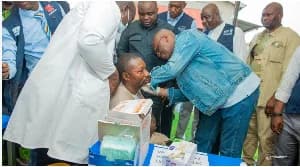
The Democratic Republic of Congo (DRC) has officially commenced an Ebola vaccination campaign aimed at protecting front-line healthcare workers and other essential personnel. This initiative comes as the country continues to battle a significant outbreak in its eastern regions, where confirmed cases have surged past the 5,500 mark. The immunization drive is seen as a critical step in safeguarding those most at risk while attempting to curb the spread of the virus within healthcare settings and the broader community.
Despite the campaign's rollout, medical experts and humanitarian observers have raised significant concerns regarding the specific vaccine being deployed. The vaccine currently in use is licensed for a different strain of the virus, and its effectiveness against the Bundibugyo strain—which is a primary concern in the current health crisis—remains unproven. Health authorities are monitoring the situation closely to determine the level of protection provided to the medical staff who are frequently exposed to the pathogen in the line of duty, acknowledging that its efficacy is yet to be established.
The gravity of the situation in the DRC has prompted urgent international action beyond its borders. Humanitarian organizations and the United Nations have intensified preparedness efforts in South Sudan, particularly in border towns where the risk of cross-border transmission is increasingly high. The proximity of the eastern Congo outbreak to South Sudanese territory has created a pressing need for strengthened surveillance and rapid response capabilities to prevent the virus from establishing a foothold in neighboring nations already facing humanitarian challenges.
As the vaccination effort continues, the focus remains on enhancing regional cooperation and ensuring that health workers have the resources necessary to manage the outbreak. The success of these interventions will depend on both the clinical effectiveness of the current medical protocols and the ability of regional partners to coordinate their containment strategies effectively. For now, the international community remains on high alert, prioritizing the containment of the virus within the DRC while safeguarding vulnerable populations across the border through proactive monitoring.

