••
ECG Announces Major Infrastructure Upgrades and Maintenance Amid Rising Concerns from Local Businesses
•3 min read•6 sources
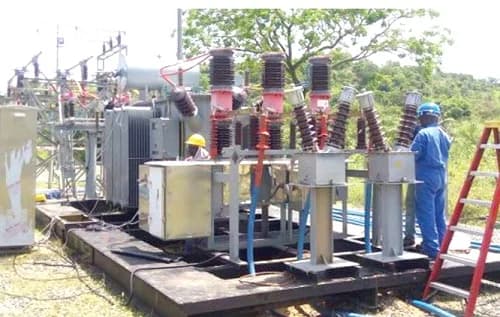
The Electricity Company of Ghana (ECG) has initiated a series of critical maintenance and infrastructure upgrade projects across several regions, signaling a concerted effort to stabilize and modernize the national grid. These scheduled interventions, set to take place between April 13 and April 16, 2026, will affect power supply in the Western, Central, and Greater Accra regions. While the ECG maintains that these works are essential for enhancing long-term grid reliability, the temporary disruptions highlight the ongoing challenges of balancing necessary infrastructure modernization with the immediate operational needs of Ghanaian businesses and traders.
On Monday, April 13, the Western and Central Regions will experience scheduled outages to facilitate infrastructure upgrades. In the Western Region, communities such as Diabene, Nkroful, and the Sekondi Prisons will face a six-hour disruption from 9:00 am to 3:00 pm. Simultaneously, the Central Region will undergo a seven-hour maintenance window impacting areas like Asafora and the Anomabo beach front. Following this, from April 14 to April 16, the ECG will execute Phase Two of its Transformer Replacement and Upgrade Programme at the Lashibi Primary Substation. This specific project involves replacing a 20/26MVA transformer with a higher-capacity 30/39MVA unit to serve the Spintex, Sakumono, and Lashibi corridors. To minimize total blackout time, the ECG has implemented a rotating six-hour outage schedule for these areas.
The human and economic impact of these power fluctuations is perhaps most visible in the informal trade sector. In Ablekuma-Joma, Greater Accra, tilapia sellers and fish mongers have expressed deep concern over frequent outages that lead to the spoilage of perishable goods and significant financial losses. Local traders, including Gifty Teye Kudjoe and Nawomi Amankwah, have also highlighted that poor road conditions and a lack of potable water further exacerbate their business challenges. Sea Chief Samuel Glova Joma Faakye noted that inadequate infrastructure is actively discouraging inter-regional trade, illustrating the urgent need for a holistic approach to utility and transportation management to protect local livelihoods.
In response to these systemic challenges, the Public Utilities Regulatory Commission (PURC) has called for greater community involvement in safeguarding utility installations. During recent engagements in Ho, the commission urged citizens to prevent activities such as bush burning and farming near installations, which can lead to service disruptions and financial waste. The PURC emphasized that while the ECG works to upgrade the grid, the public must also play a role through timely bill payments and the reporting of irregularities. As the ECG continues its phased upgrades, the long-term goal remains a more resilient energy network capable of supporting Ghana’s industrial and commercial growth, even as small-scale traders call for more immediate relief.