••
ECOWAS Endorses $25 Billion Nigeria-Morocco Gas Pipeline to Boost Regional Energy Security
•2 min read•1 source
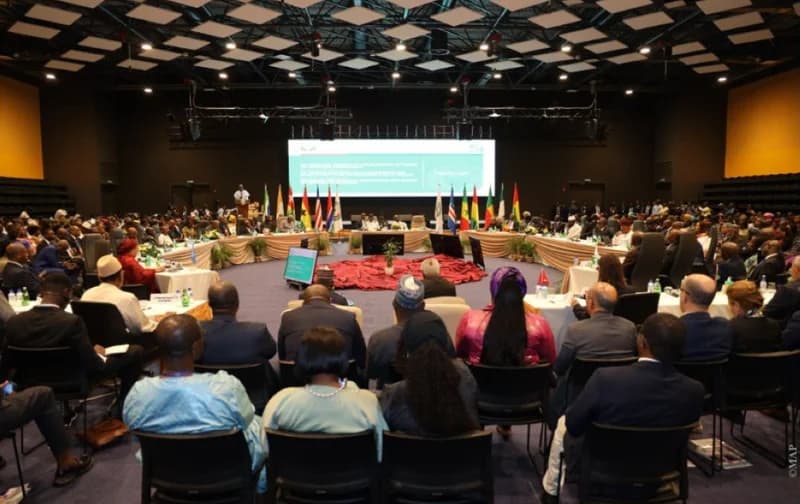
West African leaders gathered at a summit in Freetown, Sierra Leone, have formally endorsed the legal and institutional framework for the Nigeria–Morocco African Atlantic Gas Pipeline (NMGP). This $25 billion infrastructure project, spanning approximately 6,800 kilometres, represents a significant milestone in Africa's pursuit of energy sovereignty and regional integration. By transitioning from a bilateral initiative between Nigeria and Morocco to a broader regional framework, the project now enjoys the collective backing of ECOWAS member states, positioning it as a cornerstone of the continent's development strategy.
The pipeline is designed to transport an estimated 30 billion cubic metres of natural gas annually from Nigeria's resource-rich fields along the Atlantic coast to Morocco. Beyond its primary route, the infrastructure is intended to connect with existing European gas networks, offering a strategic alternative for international markets amidst ongoing global energy uncertainties. The project aligns with the vision of King Mohammed VI of Morocco for a more integrated and prosperous Africa, aiming to provide a reliable energy source for millions of people across the West African sub-region while fostering economic cooperation.
Beyond the logistics of gas transport, the NMGP is expected to catalyze industrial growth by improving energy access and reliability for ECOWAS member states. The inclusion of regional partners in the project's governance ensures that the benefits of natural resource exploitation are shared more equitably across the coast. Officials emphasize that the pipeline will not only fuel economic activities but also foster political stability through deep-seated economic interdependencies and shared infrastructure goals.
Despite the high-level political endorsement, several critical steps remain before construction can commence. The immediate focus for stakeholders involves establishing robust management structures and securing the substantial $25 billion in financing required for the venture. Following the Freetown agreement, officials are working to finalize regulatory arrangements and environmental assessments. Once operational, the Nigeria–Morocco African Atlantic Gas Pipeline will stand as one of the world's longest offshore pipelines, symbolizing a new era of South-South cooperation and African-led solutions to global energy challenges.