••
ECOWAS Launches Gender Equality Initiative as Ghana Projects Cultural Influence Globally
•2 min read•3 sources
A series of regional and international initiatives are converging to redefine West African leadership in gender equity and cultural diplomacy. In Accra, the Economic Community of West African States (ECOWAS) has launched a strategic push for structural gender equality through the "Gender Equality Seal" initiative. This collaborative effort, involving the United Nations Development Programme (UNDP) and the German Agency for International Cooperation (GIZ), seeks to institutionalize gender-sensitive governance across the ECOWAS Commission and its various institutions. Oulate Fatou, Director of the ECOWAS Gender Development Centre, emphasized that the regional body must serve as a role model for member states by actively dismantling barriers to female recruitment and participation.
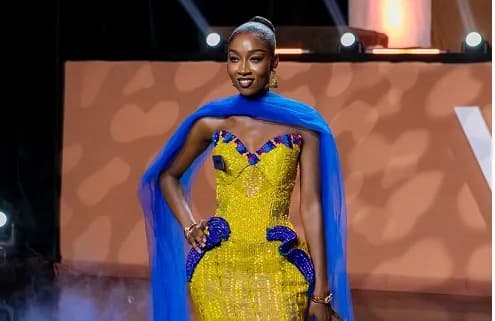
Simultaneously, Ghana is projecting its soft power on the global stage through significant cultural representation. Rumzia Sule, Miss Ghana 2026, is currently representing the nation at the Miss World Festival in Vietnam with a mission to elevate Ghana’s global identity. Her platform, "Project Inspire Ghana," focuses on youth empowerment through education and mentorship, aiming to move the conversation beyond aesthetics toward Ghana's innovative potential and diverse cultural strengths. This international outreach reinforces the importance of presenting a cohesive and empowered national image during high-profile global festivals.
Complementing these shifts in representation, the Black Star International Film Festival (BSIFF) is challenging the creative industry to deepen its local impact. Ahead of its September 2026 edition, BSIFF is spearheading a critical discussion on the use of indigenous languages in African cinema. The festival organizers argue that telling stories in the languages the people actually speak—supported by high-quality subtitles and dubbing—is essential for building stronger local audiences. By drawing parallels with the global success of Chinese and Korean cinema, the festival advocates for maintaining a unique cultural identity while improving production quality to bridge the gap between filmmakers and their home audiences.
Together, these developments signal a coordinated effort across West Africa to strengthen the regional narrative through both institutional reform and cultural excellence. Whether through the formalization of gender equality within ECOWAS or the linguistic revitalization of African cinema, the focus remains on ensuring that West African voices are not only heard internationally but are deeply rooted in the realities of their local communities. These initiatives provide a framework for future progress in regional integration, cultural diplomacy, and the empowerment of the next generation of African leaders.

