••
Satellite imagery confirms Egyptian strikes killed 72 Sudanese miners
•2 min read•1 source
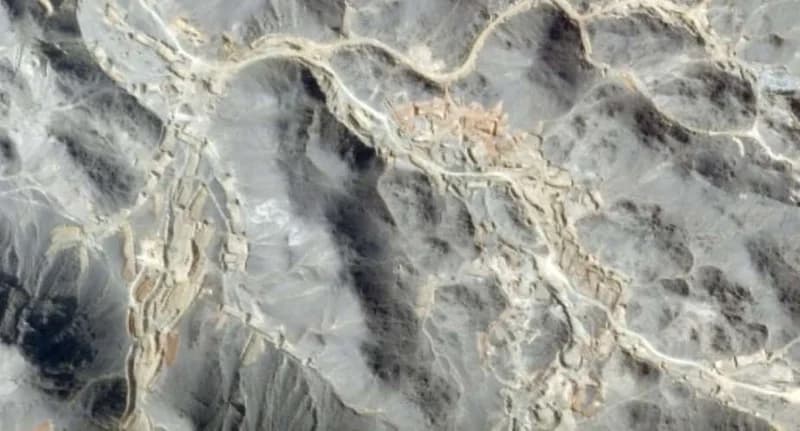
Satellite imagery analysis has confirmed the location and impact of an airstrike attributed to the Egyptian military that killed at least 72 Sudanese gold miners on October 10. The strike occurred within the contested Halayeb Triangle, a territory along the Egypt-Sudan border that is currently under Egyptian administration but remains subject to a long-standing sovereignty claim by Sudan. While survivors of the attack assert they were positioned on the Sudanese side of the border at the time of the strike, the visual evidence underscores the lethal consequences of ongoing military operations in the region.
The Egyptian military has frequently conducted operations in these borderlands to curb what it identifies as illegal mining activities. These missions take place within a highly volatile environment characterized by a modern-day gold rush, where thousands of Sudanese citizens venture into the desert to escape the economic devastation of their home country. This specific incident stands out for its high casualty count and the subsequent confirmation of the strike location through independent satellite data, which highlights the precarious nature of civilian life in disputed border zones.
Sudanese authorities have responded to the tragedy by launching an investigation into the incident, which follows several previous strikes in the area that have drawn international condemnation. The loss of life adds another layer of suffering to the broader humanitarian crisis in Sudan, where a protracted internal conflict has already resulted in over 200,000 deaths. As nearly 20 million Sudanese face acute food insecurity, many continue to risk military intervention and hazardous conditions in the border mines to secure basic survival, even as diplomatic tensions over the Halayeb Triangle remain unresolved.
Live rates
Ghana gold price →
