••
Elizabeth Ofosu-Adjare meets manufacturers to boost local production
•2 min read•1 source
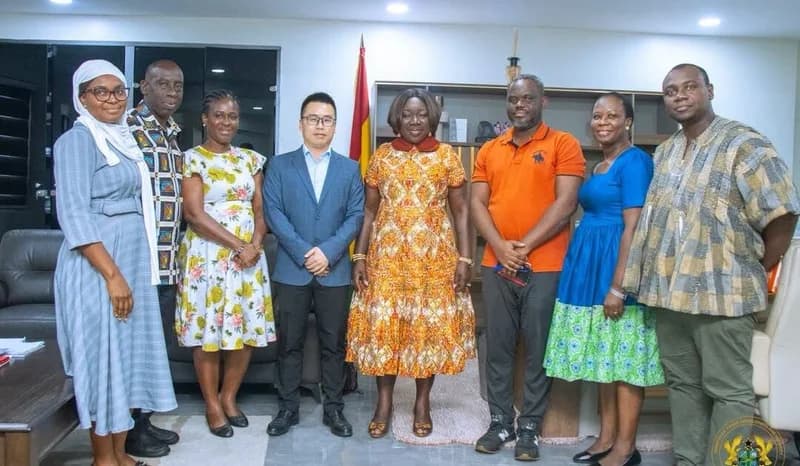
Elizabeth Ofosu-Adjare, the Minister for Trade, Agribusiness and Industry, held high-level discussions with leadership from the cement, battery, and renewable energy sectors on October 20, 2026. The engagement aimed to strengthen domestic industrial capacity and reduce the country's reliance on imported raw materials. During the meetings, the Minister emphasized the government's commitment to creating a conducive environment for local industries to flourish, citing the strategic importance of manufacturing in driving economic growth and job creation under President John Mahama's administration.
A primary focus of the deliberations involved the cement industry, specifically the promotion of local calcined clay production. Minister Ofosu-Adjare discussed potential tax relief measures for companies utilizing domestic calcined clay as an alternative to imported clinker. This initiative is designed to lower the cost of cement production, which the Ministry believes will ultimately contribute to more affordable housing for Ghanaians. By incentivizing the use of local geological resources, the government seeks to retain capital within the domestic economy and minimize the foreign exchange pressure caused by high import volumes.
The Minister also visited and engaged with representatives from Huaguang New Energy Battery Ghana and Zema New Energy Limited. These discussions centered on expanding local participation in the battery and renewable energy supply chains. Beyond production metrics, the Minister highlighted the necessity of maintaining high quality standards to ensure Ghanaian-made products are competitive in both domestic and international markets. She noted that the growth of these firms is vital for the transition toward sustainable energy solutions and the modernization of the industrial landscape.
In addition to industrial output and fiscal incentives, the Ministry placed significant emphasis on the welfare of Ghanaian workers and the adherence to labor standards. Ofosu-Adjare urged the executives to prioritize safe working conditions and fair treatment of their staff, asserting that sustainable industrialization is built on a motivated and well-supported workforce. Moving forward, the Ministry intends to continue these stakeholder engagements to identify further bottlenecks in the manufacturing sector and implement policies that align industrial growth with national development goals.
Related topic
John Mahama: Latest News & Updates →Live rates
Dollar to cedi rate →
